


On the Record: Jeff Gonzalez shares insights on state policymaking
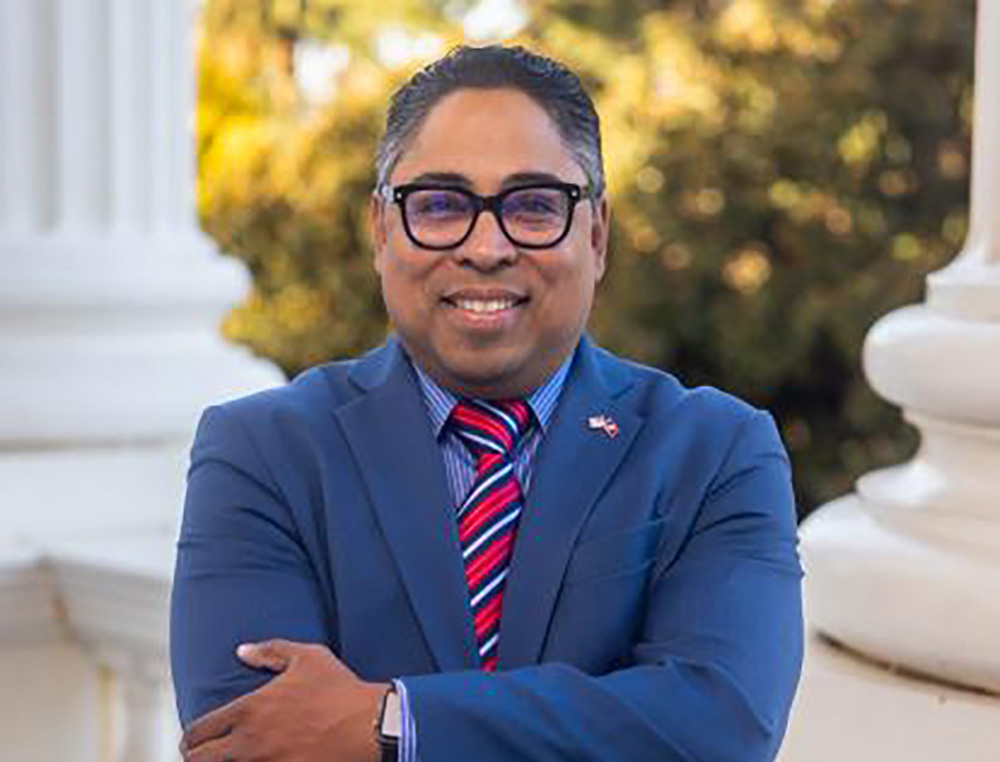


Assemblymember Jeff Gonzalez, R-Indio, represents District 36 in the California State Assembly. The district encompasses Imperial County and parts of Riverside and San Bernardino counties. Gonzalez spoke with Ag Alert® about his approach to policymaking and his observations following his first year in the Assembly. The below conversation was edited for length and clarity.
Can you tell me about your background and your experiences before going into politics?
I was in the Marine Corps for 21 years, with combat tours to Iraq and Afghanistan. After serving in the Marine Corps, I became a pastor due to the loss of my Marines by suicide. They were dying all around me, and I wanted to find ways to help them. I helped launch several churches. I also became a business owner. Prior to getting elected, I owned a staffing company and a technology company.
What made you want to run for state Assembly?
I’m a dad of four kids. My oldest, who is 32, has cerebral palsy with spastic quadriplegia, so he can’t walk or use his hands. He eats through his stomach and he’s nonverbal. Our system is broken for special needs families and aging adults. That was the initial reason I was running for state Assembly—to change a failing system. It was clear to me I needed to be an advocate for not only special needs and aging adults but for the health care system in general—to make sure there is access to quality care for everyone in California.
What are your observations from your first term?
There is a lot of talk about protecting our farmers and ranchers here in California, but there’s very little action. Occasionally we’ll get a bill here and there, but there just isn’t a concerted effort to protect and encourage farmers and ranchers. It’s a shame. California needs to be competitive in farming and ranching, and we need to make a significant change in the way we look at the people who feed us.
How are you working with farmers in your district?
One of the things I set up this past year was a local agricultural advisory board in my district. That was to inform me about how votes being held in Sacramento would impact farmers and ranchers on the ground. We also started doing town halls with a broader group of farmers and ranchers to involve more voices in the process.
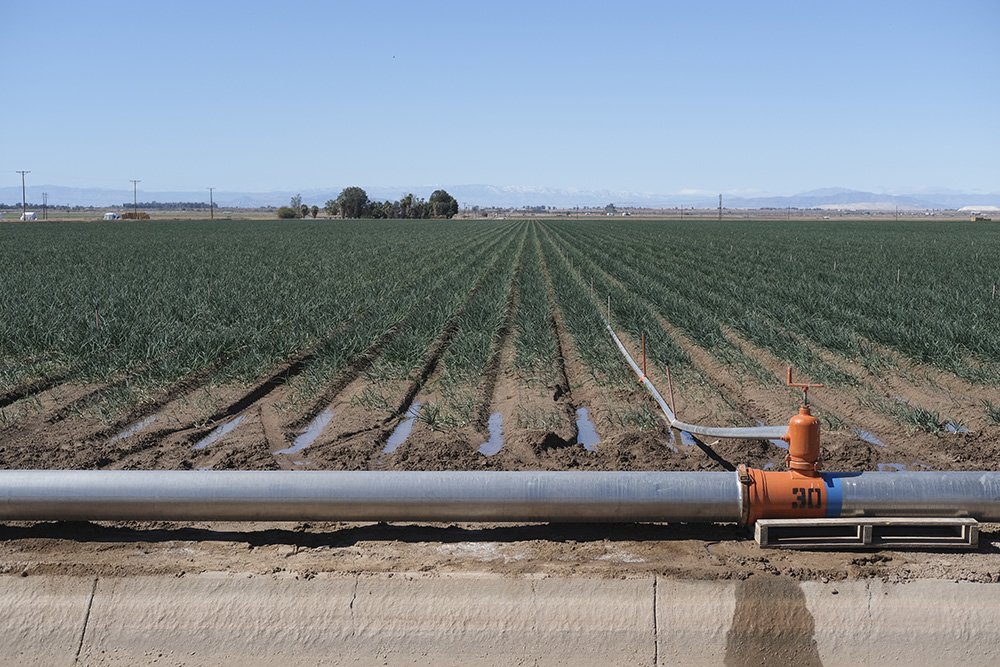
Photo/Caleb Hampton
What did you learn through the town halls and other conversations about the challenges farmers in your district face?
Farmers are frustrated. They feel like they’ve been beaten up and no one is paying attention to them. Maybe their grandparents started a farm a long time ago, and they put their blood, sweat and tears into the ground only to have it trickle away because of overregulation in California. They’re looking for a champion in the ring in Sacramento. That was the biggest thing that kept coming across. I made a commitment that I would not leave our farmers and ranchers behind.
What did you notice about the policymaking process in Sacramento?
Policymaking in Sacramento is conducted in a bubble without external input from the community. They say it’s from the community, but the reality is that many vital voices that could help shape legislation are missing.
How can farmers who want policy changes get involved with you or with the legislative process in general?
Farm Bureau members have a powerful voice. I would tell them to get involved in their local Farm Bureau. They can reach out to our office. Ultimately, it has to reach the legislator. If their legislator isn’t being responsive, then they have to hold that legislator accountable.
How would you describe your approach to policymaking?
I think my colleagues found me as someone who is pragmatic, who thinks of the community first and is not distracted by the noise of the world. I was very thankful to be asked to join the Problem Solvers Caucus, which is a bipartisan, bicameral group of legislators—13 Democrats, 13 Republicans—that came together to look at issues we believe can be solved in a bipartisan way. It was a great fit for me.
What accomplishment are you most proud of from your time in the Assembly so far?
There are a few. One is related to funding for In-Home Supportive Services, which is a state program that brings caregivers to the homes of those who need additional care. The governor wanted to cut $700 million from that budget, which would have been catastrophic to families across the state. I chose to fight for that. We spoke out on the capitol steps. We were talking about it in committees. We talked about it with people across the aisle and everywhere we could. And we were able to save $700 million from being cut. It was a great victory for Californians.
What opportunities do you see to implement policies that help farmers?
I think tax incentives for our agricultural community is something that impacts all of us. The Problem Solvers Caucus is a great group of legislators that just want to solve issues. Incentives for our farming community is top of mind. We’re in the beginning stages of developing bills, and as we come together after the new year, we’ll dive much deeper into how to make this an effective bill that can pass and be beneficial for our agricultural community.
See related news stories...
• News Briefs: Government shutdown, Ag Alert survey, FFA board, 4-H Week, Barn Dance and 'Build the Bench'
• UC students breed new crop varieties for organic farms
• California Farm Bureau awards more than $250,000 in scholarships to support future agricultural leaders





.svg.png)
