


From the Fields - Mike Vereschagin


Photo/Jennifer Harrison
We’re on a full irrigation schedule this time of year, and thankfully, we’ve got 100% water supply in the north part of the state. With our water district, we did some more groundwater recharge this spring, but that has ended.
Our almonds are a nice, good-sized crop. The state estimate just came out, and it’s a bigger crop statewide than last year. The negative thing is depressed prices. We sure hope they improve, but the economics is still not real bright on almonds. It keeps margins tighter.
We lost at least 100 almond trees in various orchards with the storm that came through two weeks ago. It was just enough to be a hassle. We had to send a man out with a chainsaw to cut up the trees and get the brush hauled out of the orchard so equipment can get through. It was mostly on the older rootstocks. With the newer rootstocks, they’re anchored down much better, so not a single tree went down. Most of the (downed) trees are in older orchards that are planned to be taken out in the next several years. Doing a replant this late in the game won’t do any good, so we just take the trees out and leave it empty.
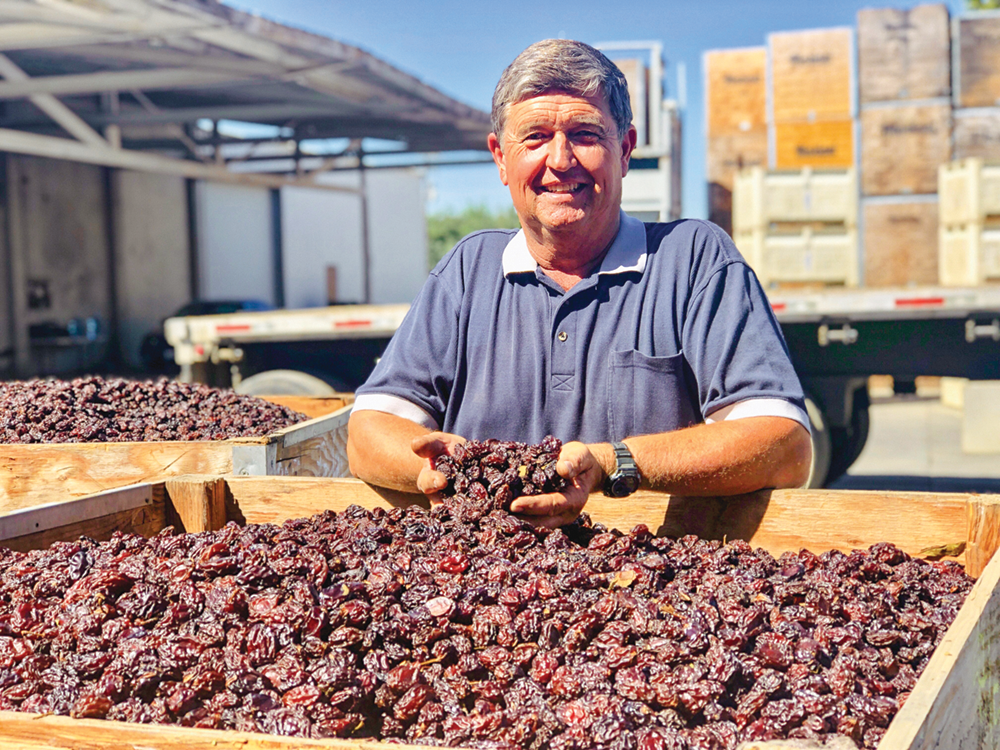
We’ve got a very nice prune crop in my area. We did a little thinning on the crop, but by and large, most of the trees have a heavy crop. The biggest thing is trying to get the fruit to size up. Disease pressure has been fairly low this year. I haven’t had to do much spraying for disease control. We’re doing a bit of mowing and cutting suckers off the trunks of younger trees.
Between almonds and prunes, prune prices have been doing a little better. World production on prunes is in balance with world demand or consumption, so prices have strengthened from what had been in the past.





.svg.png)
