


In Brief: Pesticide labeling, H-2A wage rate and "Captive Audience" law
Photo/Licensed image


Pesticide labeling
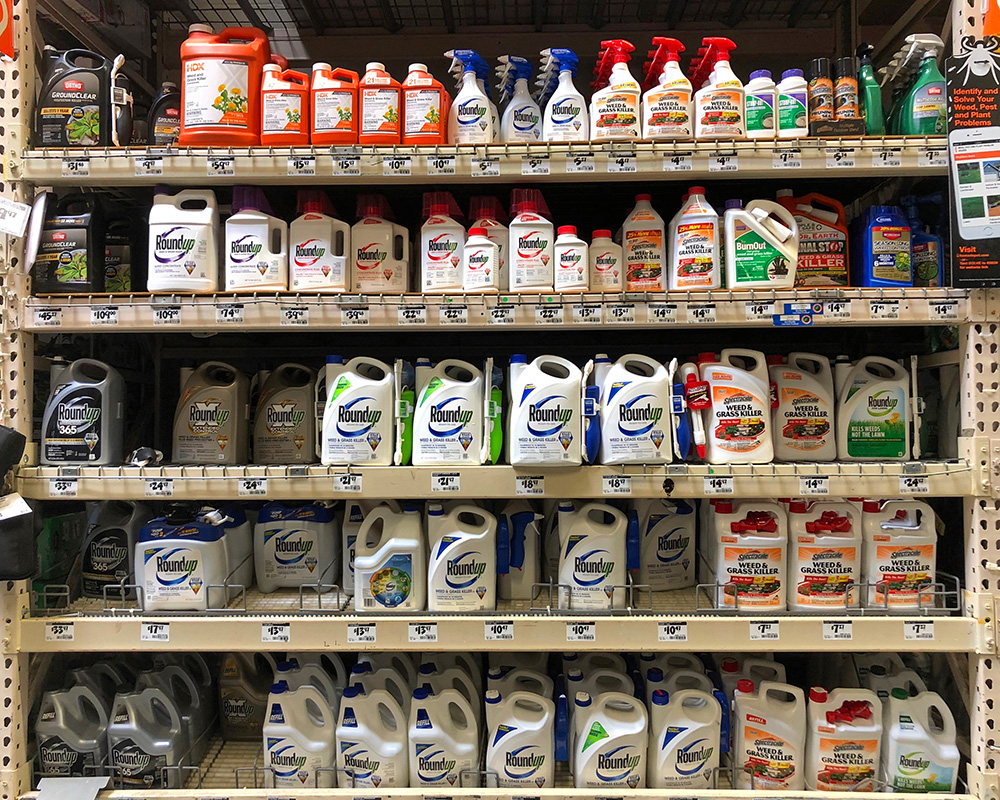
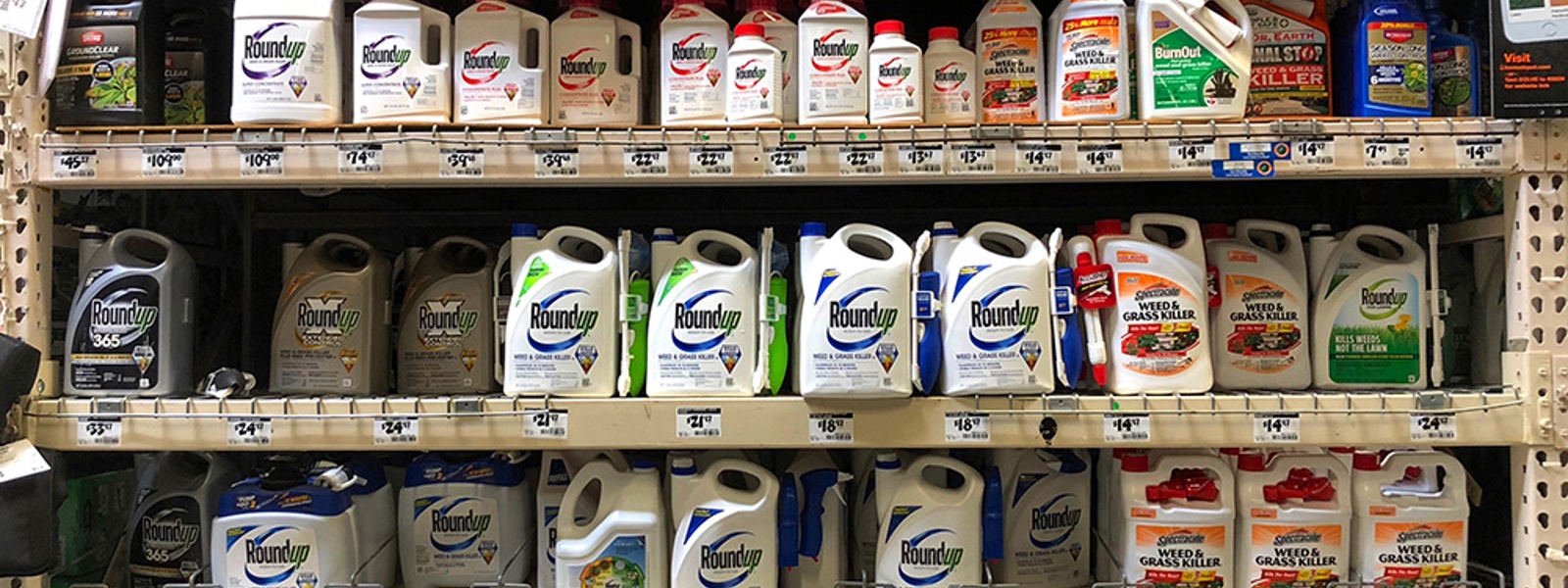
California Farm Bureau, along with 12 other state Farm Bureaus, submitted a “friend of the court” brief earlier this month to the U.S. Supreme Court in Monsanto Co. v. John L. Durnell.
At issue is whether the Federal Insecticide, Fungicide and Rodenticide Act, or FIFRA, preempts a label-based failure-to-warn claim in which the U.S. Environmental Protection Agency has not required the warning.
Durnell , who developed non-Hodgkin’s lymphoma, alleged his cancer was caused by exposure to the herbicide Roundup and its active ingredient glyphosate. He sued Monsanto in 2019, claiming the company should have included a cancer warning on Roundup’s label to alert users of the risk.
A jury in 2023 ruled in his favor, saying Monsanto was responsible for injuring him because its Roundup label failed to warn of cancer risks. While Monsanto was cleared of designing a defective product or being negligent, they were ordered to pay $1.25 million in compensation to Durnell.
Monsanto, now owned by Bayer, tried to get the verdict thrown out, arguing that because the U.S. Environmental Protection Agency under FIFRA approves their labels, state law cannot mandate different or additional warnings, such as cancer labels. The trial court refused, and a Missouri appellate court upheld the original verdict.
The U.S. Supreme Court in January agreed to review the case.
In their brief, the state Farm Bureaus said if the court upholds the decision by the Missouri Court of Appeals, states could require different labeling requirements, causing harm to the nation’s farmers.
Such a decision would erode FIFRA’s regulatory scheme and preemption, they further argued, impacting the continued use and reliance on glyphosate. In addition, the Farm Bureaus said states would be allowed to require different labeling requirements, causing confusion, differing standards and constant unknowns. What’s more, an adverse decision would lead Monsanto to raise prices to pay for monetary judgments and Bayer to stop producing glyphosate in the U.S., causing American farmers to rely on overseas suppliers.
The U.S. Supreme Court will hold oral arguments on April 27.
H-2A wage rate
The U.S. District Court for the Eastern District of California in Fresno heard arguments last week in a case challenging an interim final rule by the U.S. Department of Labor that changes how the Adverse Effect Wage Rate is calculated under the H-2A temporary farmworker visa program.
The United Farm Workers and others filed suit last fall to stop implementation of the rule, claiming it causes significant pay cuts to farmworkers.
California Farm Bureau and the National Council of Agricultural Employers in February filed a “friend of the court” brief supporting the Labor Department’s final rule, saying it provides agricultural employers who use the H-2A program significant relief.
The judge has finished hearing arguments and reviewing evidence, with a written decision to follow.
The case is United Farm Workers et al. v. U.S. Department of Labor et al., U.S. District Court, Eastern District of California, Docket No. 1:25-cv-1614-KES-SKO.
“Captive audience” law
The 9th U.S. Circuit Court of Appeals is considering hearing oral argument in a case regarding Senate Bill 399, known as the “captive audience” law, in San Francisco sometime during July 6 through 10 or Aug. 10 through 14.
SB 399, which took effect January 2025, added to the California Labor Code a provision that forbids an employer from taking or threatening adverse action against an employee for refusing to attend a meeting where the employer’s opinion about joining or supporting a labor union will be communicated. In other words, the statute prohibits an employer from requiring employees to attend a so-called “captive audience” meeting at which it will be explained why the workplace should remain union-free.
The California Chamber of Commerce, California Restaurant Association and Western Growers Association sued in the U.S. District Court for the Eastern District of California to block SB 399, arguing that the “captive audience” statute violates employers’ First Amendment free speech rights and is preempted by the federal National Labor Relations Act.
On Sept. 30, that court issued a preliminary injunction blocking its enforcement. Agreeing with the chamber and restaurant and grower associations, the court said the statute is preempted by the National Labor Relations Act and an impermissible content-based regulation of speech.
The state has appealed the injunction’s issuance to the 9th U.S. Circuit Court of Appeals. California Farm Bureau joined in a “friend of the court” brief, led by the California Employment Law Council and along with the Institute for the American Worker and California Trucking Association, supporting the position of the chamber and restaurant and grower associations.
The case is California Chamber of Commerce, et al. v. Bonta, et al., 9th U.S. Circuit Court of Appeals, Docket No. 25-6874.






.svg.png)
