


From the Fields: Brooke Hazen, Sonoma County farmer
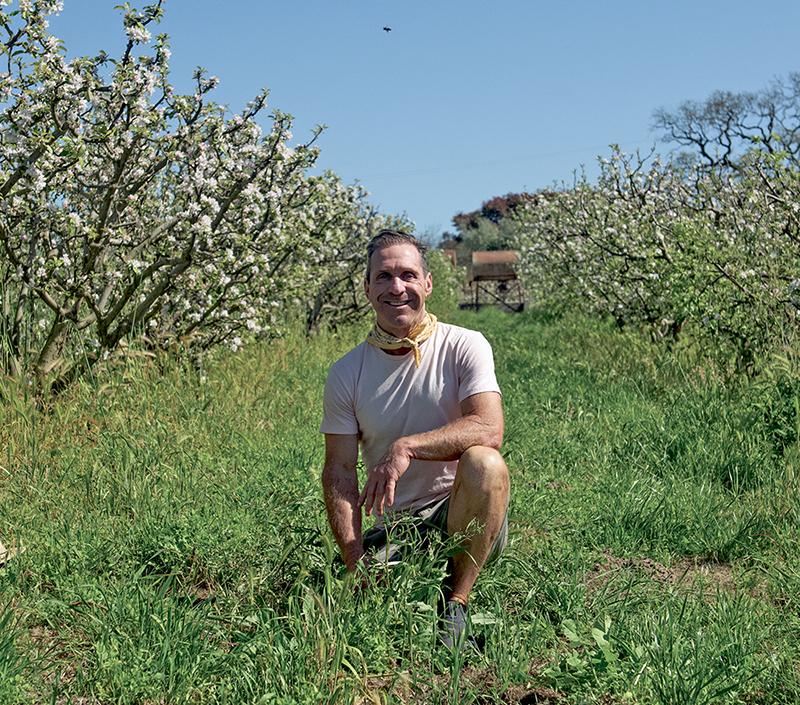
Photo/Lisa Rose


By Brooke Hazen
Sonoma County farmer
I grow 70 acres of organic olives and 18 acres of organic apples, as well as a small diversity of citrus, pears and different kinds of odd plants. It’s an exciting time of year because we’re planting bare-root trees.
Olive harvest started mid-November and went through January. It was a late-ripening year, and oil yields were low. The oil hadn’t had a chance to coagulate in the fruit as much, so yields per pound were down.
Last year, I added my first U-pick during apple season. It was the first time I ever did it, and it was so successful. This year, I’m constructing a petting and feeding animal area with mini pigs, rabbits, other mini animals so kids can engage with not only the plants but also the animals.
Part of my new marketing model is direct to customers, which I’m trying to eventually move completely into. Olive oil is easier to do that with, but apples are more difficult because I have about a million apples. We’re increasing U-pick and direct sales while still selling most apples to Whole Foods. About 10% goes to FEED, a local cooperative of Sonoma County and surrounding growers.
One thing I’ve learned is that for small and mid-sized farms, traditional wholesale exclusively is not sustainable financially. Having the middleman and the prices farmers receive does not cover all the costs of a living wage for farmers and farm laborers, as well as adequate maintenance and yearly expenses.
We do olive oil and apple tastings, tours, seminars, food demonstrations, events and U-picks. The goal shifts from how many pounds per square foot you can produce to how you can grow engagement. The crops are still the foundation, but they are not the sole end of it. There’s only so much you can produce per acre and make it sustainable, but when you build other streams of income around production, there is almost unlimited opportunity.





.svg.png)
