


Canneries reduce tomato acreage to lowest in 50 years
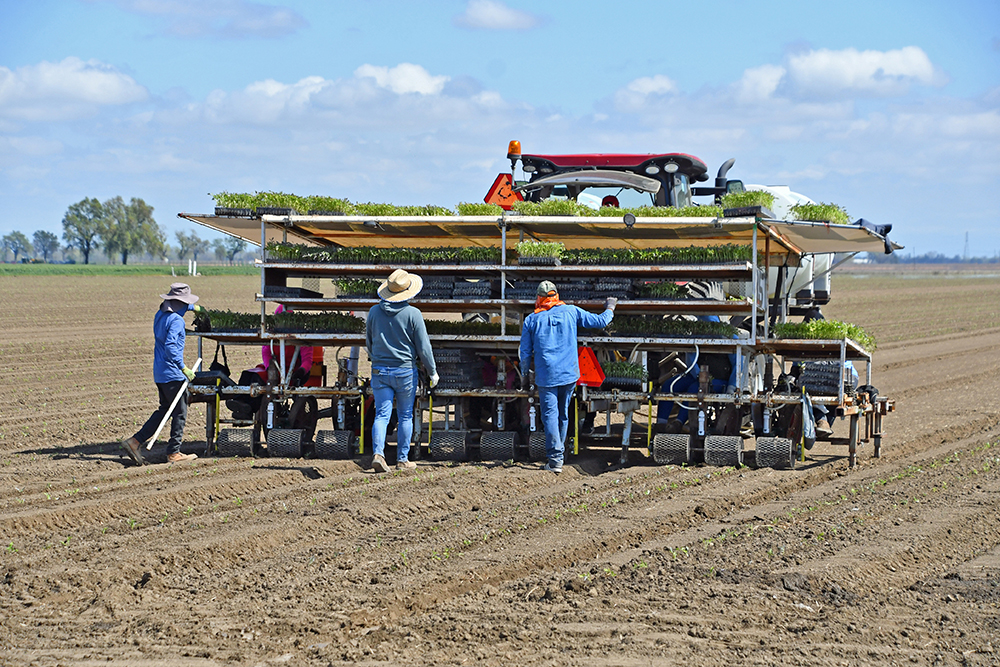
Processing tomato plants are transplanted into a field in Yolo County. Farmers say rising costs for water, fuel and fertilizer could erase their margins on a crop that historically has been profitable.
Photo/Vicky Boyd


By Caleb Hampton
After a short-lived increase during the pandemic, California’s processing tomato acreage is set to decline for a third consecutive year.
The state’s tomato processors planned to contract for 9.8 million tons from 185,000 acres this year, down about 11% from the 11 million tons processors asked for last year, according to a January report from the U.S. Department of Agriculture.
If processors’ intentions remain unchanged, those figures would make the tonnage contracted from growers this year the lowest since 2005, and it would mark the first time in more than half a century that farmers in California plant fewer than 200,000 acres of processing tomatoes.
Mike Montna, president and CEO of the California Tomato Growers Association, said a large crop last year coupled with shifting consumer habits had driven down demand from processors that purchase tomatoes to make sauce, soup, ketchup and other products.
“We’ve got some inventory to work through,” Montna said. “We had a peak during COVID. You couldn’t keep it on the shelf because people were filling their pantries. Then we had people living off their pantries for a while, getting those levels back down. And then we had people not going back to their offices and eating differently.”
He said while tomato products are generally healthful, the foods those products are paired with, such as pasta and pizza, had fallen out of favor with some consumers.
“We’re served with some carbs,” Montna said.
Erik Wilson, northern sales representative for Woodland-based AgSeeds Unlimited in Yolo County, which supplies tomato seeds and transplants to farmers, said the company began seeding this year’s crop in greenhouses in December. He said transplanting started last month in the San Joaquin Valley and was set to shift north into the Sacramento Valley around March 15.
“It’s a little bit earlier than usual,” Wilson said. “With no rain in the foreseeable forecast, I think we’ll be getting going with a little volume a little quicker than we have in the past.”
He said he also anticipated an early end to harvest this year as processors generally reduce tonnage by cutting late-season deliveries that are vulnerable to rain.
In 2024, California’s processing tomato crop was valued at $1.6 billion, making it the eighth most valuable agricultural commodity in the state, according to the California Department of Food and Agriculture.
Wilson said the decline in acreage has impacted not only farmers but seed suppliers and other agricultural businesses.
“We have seen big reductions in overall sales,” he said. “It’s absolutely affected the business like it has any of the businesses connected to row crop farming: tractor dealerships and parts houses and chemical sales.”
He said while AgSeeds Unlimited supplies seeds for other vegetables such as melons and peppers, processing tomatoes make up the largest part of its businesses. The company was set to transplant between 10,000 and 12,000 acres of processing tomatoes in the Sacramento Valley this year, down from about 16,000 acres last year.
Falling demand for processing tomatoes also comes as a blow to farmers.
In recent years, processing tomatoes were one of the few row crops that were generally profitable, while growers have lost money planting other rotational crops such as cotton and wheat.
“It hurts us like I think it probably hurts every other tomato grower,” Bruce Rominger, who farms near Winters in Yolo County, said of having his tomato contracts reduced this year. “It’s one of the better crops, but not very good compared to what it used to be.”
The price per ton that farmers get for their tomatoes is negotiated each year between the tomato association and the major processors. As of last week, this year’s price had not been determined. In each of the past two years, it dropped.
Meanwhile, growers said rising input costs were narrowing their potential margins.
Last month, the U.S. Bureau of Reclamation announced a preliminary water allocation of just 15% of their contract total for Central Valley Project water users south of the Sacramento-San Joaquin Delta.
“I think that shocked some people,” Montna said. “It probably won’t jeopardize our acreage, but the water is going to cost more.”
On top of that, growers said they immediately felt the impacts of supply chain disruptions caused by the U.S.-Israeli war with Iran. As of Monday, U.S. gasoline prices had jumped 14% from a week prior, according to data from the AAA motor club.
“When gasoline jumps—boom, there you go. That just made tomatoes and everything else less profitable,” Rominger said.
American Farm Bureau Federation President Zippy Duvall released a statement last week saying “a large share of fertilizer supplies our farmers rely on” come from countries in or near the Persian Gulf, the shipping routes of which have been disrupted by the war.
“We are hearing a groundswell of concern from farmers facing increased volatility in fertilizer and fuel prices, as well as some reports of companies freezing fertilizer sales, at a critical time with planting season coming into full swing,” Duvall said.
Montna said all of these factors could make it a “tight” year for tomato growers trying to squeeze out a profit.
“There’s just not a lot of meat on the bone to absorb many more costs,” he said.
Caleb Hampton is an editor at Ag Alert. He can be reached at champton@cfbf.com.





.svg.png)
