


From the Fields - Nick Perez


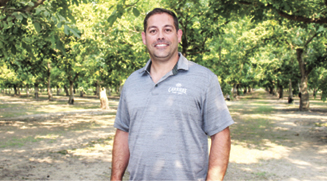
By Nick Perez, Glenn County walnut and almond farmer
We are removing as many of our older walnut varieties as we can afford this year. We’re starting to see varieties such as Ashleys, Vinas, Serrs and Hartleys go away as yields are dropping and the price was basically below operating cost. We are going to replant them to the Chandler variety because it has held its place in the market and it is still the wanted variety. Those that are on our black walnut rootstock, we are saving the burls to sell, and the rest we are burning. Chipping the trees is an added cost, and then you have to dispose of the chips. We went away from that as cogen plants have closed down.
With the existing walnuts, we are reevaluating our cultural practices and comparing what is cosmetic and what is actually needed. With the low prices below our operating costs, we’re taking a new approach to management, such as how tall the grass can be during the season and what pests we’re going to target. It is all on the table right now.
We are cleaning the strips between our walnut rows, blowing the leaves and trying to get leftover walnuts mowed up before the navel orangeworm hatch. Following that, we are laying down pre-emergence, which is one of the most important things with the rising cost of our inputs. We don’t want to spend the extra passes, losing the contact spray later in the year.
With the almonds, we are in full bloom. Hopefully, our frost protection and sprinklers can keep things protected so that we don’t have a repeat of last year. Since we’re now in the small nut stage, our temperature threshold goes up even higher to 29 degrees, so we really hope that we don’t have the freezing temperatures that we had last year.





.svg.png)
