


On the Record: Foundation offers farmworkers programs, services
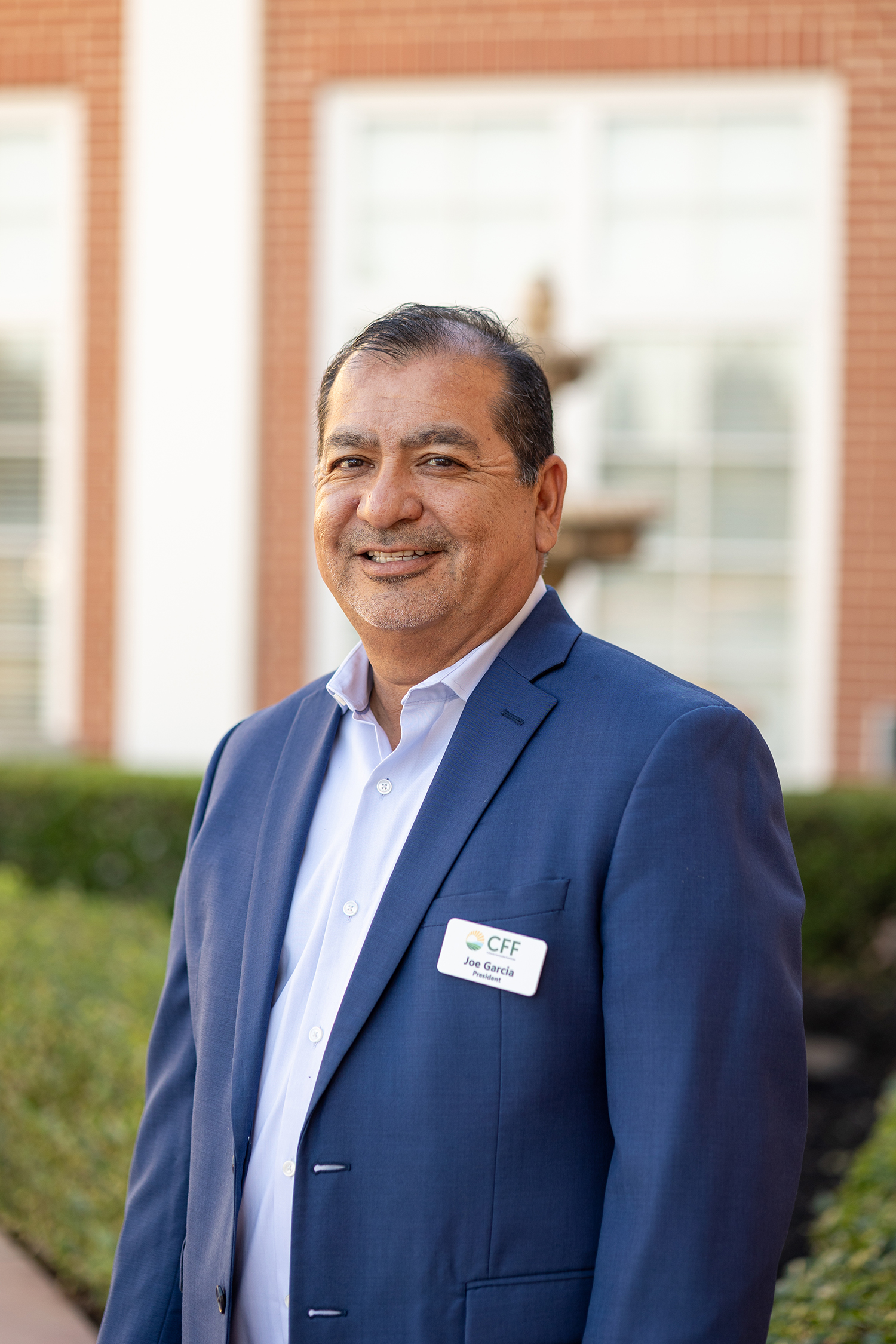
Photo/Courtesy of the California Farmworker Foundation


Joe Garcia, founder and president of the California Farmworker Foundation, started the organization in 2016 to improve the quality of life of farmworkers and their communities. The foundation supports farmworkers through health and wellness, education, and civil assistance programs and services. Garcia began his agricultural career working in the Central Valley’s citrus and grape sectors as a human resources and safety manager. He oversees farm labor contracting and consulting businesses based in Delano. He responded to questions during an interview with Ag Alert. The below conversation was edited for length and clarity.
How did you become interested in farmworker issues?
Farm work in the valley has always been part of my life and in my blood. My grandparents were migrant farmworkers from Texas. My father, also a migrant farmworker, settled in King City, met my mom, and raised my brother and myself. I grew up in the Salinas Valley and graduated from Fresno State. My first job was in the citrus industry, representing packinghouses from Madera to the Grapevine. I worked in the garlic and onion sectors and in 1997 went to work for Pandol Brothers Inc. in Delano. The Pandol family asked me to oversee labor, and I became a farm labor contractor.
What inspired you to create the California Farmworker Foundation?
The voices of farmworkers and our labor force have long been overlooked. I made respectful attempts to invite local politicians to visit and engage with crews about the issues and policies adversely impacting farmworkers, but they declined to come. With no action being taken in my communities for farmworkers, it motivated me to initiate change. This inspired me to establish a foundation aimed at addressing the needs of our farmworker communities and empowering them to express their voices.
Photo/Courtesy of California Farmworker Foundation
What should people know about farmworkers?
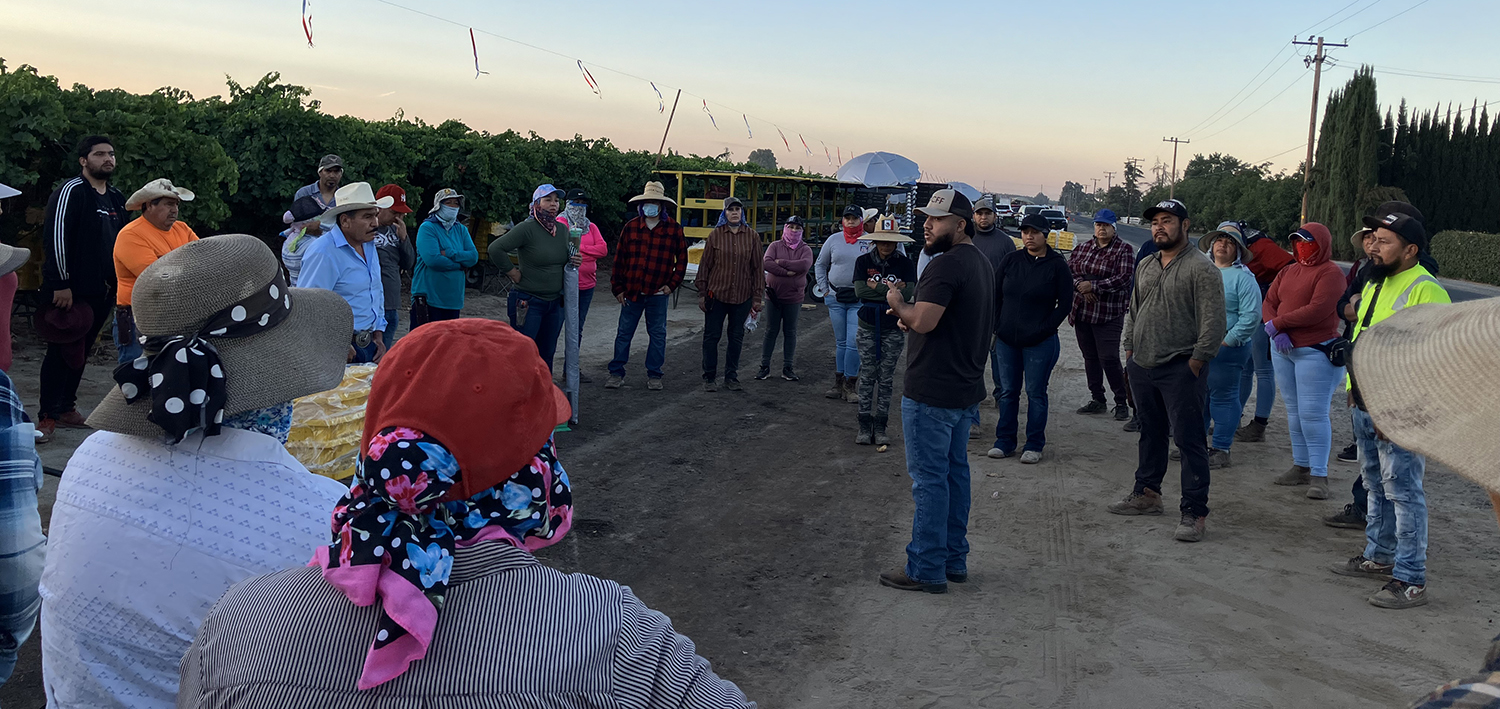
Farmworkers feed the world. They are the backbone of our industry. Their hands harvest the fruits and vegetables that feed our families. They work tirelessly every day to ensure that our families are fed and tables are filled with the nutritious fruits they harvest for us. We need to take care of our farmworkers and labor force, as the average farmworker has a life expectancy of 49 years. This is why health is one of our top priorities at the foundation. To address the issue of chronic illnesses like diabetes, high cholesterol, high blood pressure and obesity, we created partnerships with local healthcare providers and food banks to make sure farmworkers have access to proper health care and food.
Photo/Courtesy of California Farmworker Foundation
What are some other initiatives the foundation is implementing?
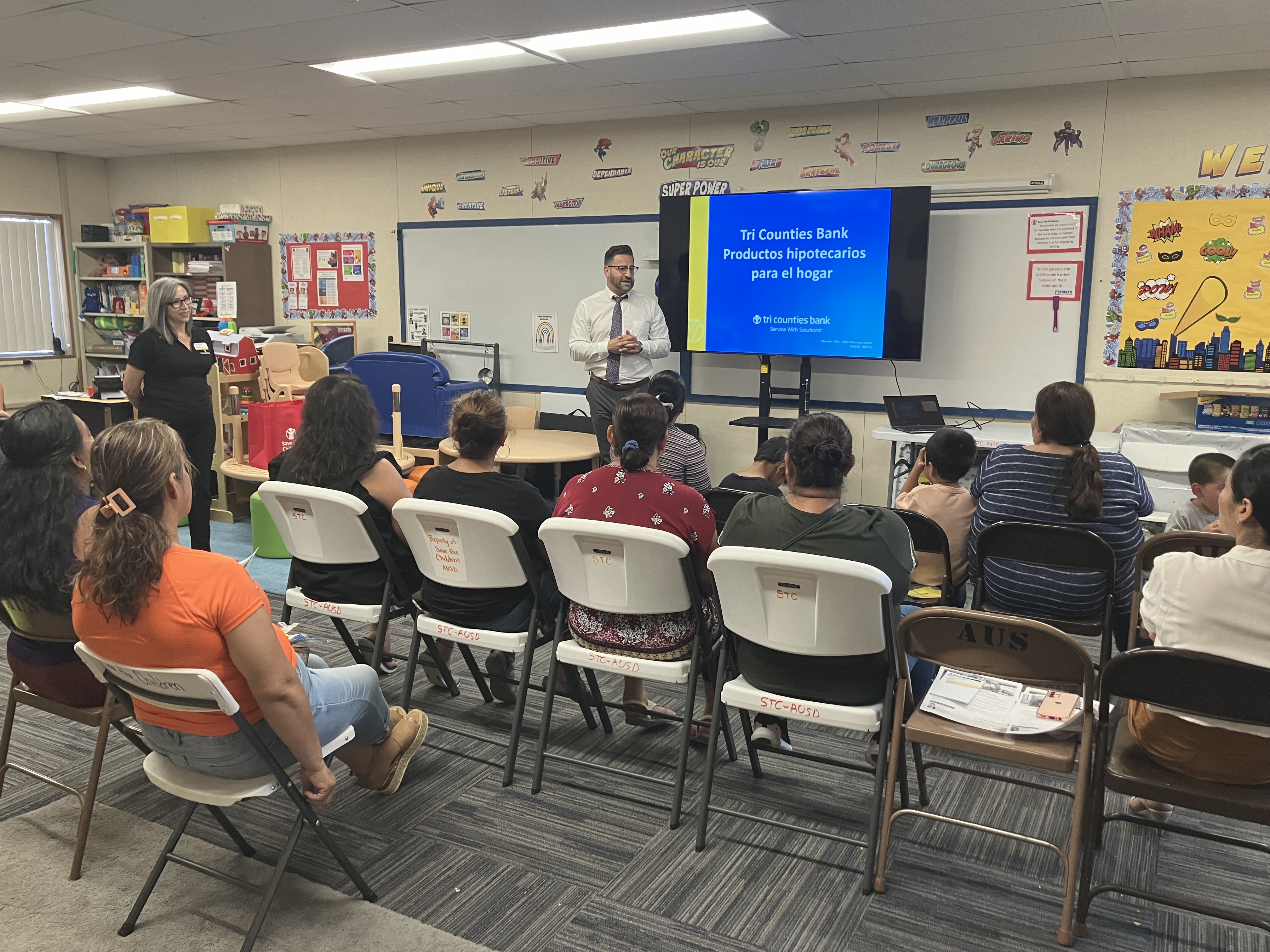
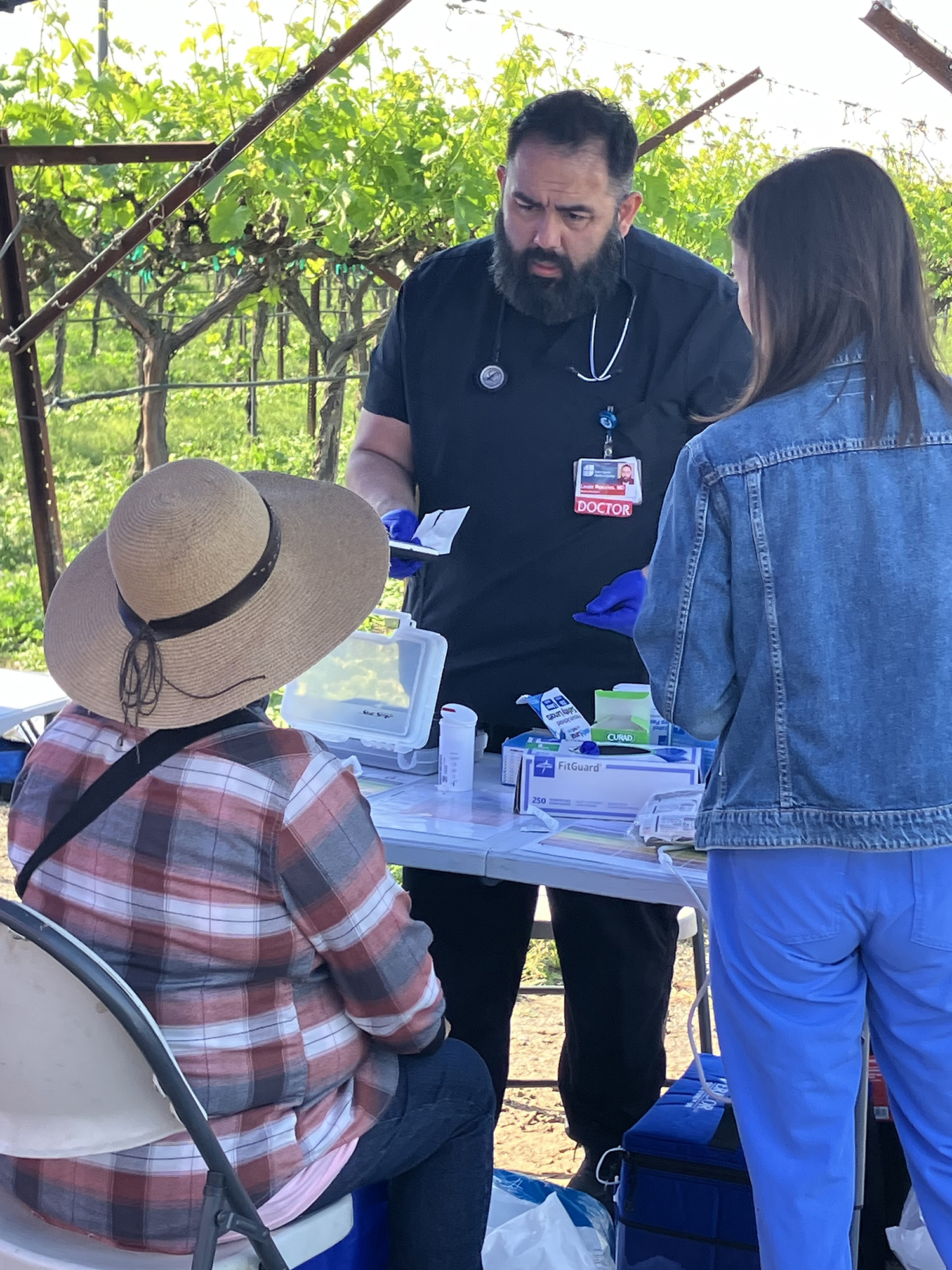
When we started the foundation, we asked farmworkers what they needed. We found that every community’s needs and wants were different. In Lamont, the No. 1 need was to help victims of domestic violence. In Santa Maria, the indigenous population wanted language literacy courses in Spanish and ESL (English as a second language) classes. We developed a Civil Assistance Program that provides support in several key areas, including document translation from English to Spanish, public benefits enrollment and notary services. In collaboration with healthcare providers, we facilitate rural mobile health clinics to deliver essential health screenings and care. To combat food insecurity, we partner with local food banks and others throughout the state to deliver over 900,000 pounds of food to farmworker families. During the COVID-19 pandemic, we played a vital role in supplying personal protective equipment, facilitating access to vaccinations, and supporting farm-working families facing economic and social challenges. To assist during these difficult times concerning immigration issues, our organization has provided educational materials on Know Your Rights, produced informative videos, and hosted workshops to empower our community with knowledge about their rights and appropriate actions in encounters with ICE or in various situations at home, work or within the community. We take pride in offering our services free of charge to farmworkers and their families. Every initiative and resource we provide is designed to support the well-being of farmworkers without imposing any financial burden.

Photo/Christine Souza
What are some of the biggest challenges you’ve seen farmworkers face?
We are currently facing uncertain and challenging times, particularly for our farmworker communities. The pressing issue of mass deportation and immigration has left undocumented farmworkers, as well as individuals of all statuses, living in fear and genuine panic. Every day, countless individuals grapple with the life-threatening dilemma of whether to go to work, visit the grocery store or even leave their homes. Meanwhile, their children are left wondering if their parents will return home or pick them up from school. This is the sad reality we are confronted with today. As an organization, our greatest responsibility is to continue standing alongside farmworkers and our communities, offering our support and education. We aim to be a reliable resource they can trust during these difficult and unjust times. We are fortunate to collaborate with remarkable immigration partners in the areas we serve, who help us provide essential assistance to families in need.
What is the foundation’s stance on immigration reform?
Farmworkers seek to perform their daily tasks, engage with their communities and lead fulfilling lives, but their safety must be prioritized. Many individuals have been navigating the system for decades while awaiting legalization. Most do not aspire to citizenship. Instead, they desire a pathway to legalization that allows them to visit their families at the end of the season. Urgent immigration reform is essential. We hope that politicians from both parties can unite to address this issue. Currently, our priority is to ensure that farmworkers are educated on how to respond and understand their rights. Immigration remains our No. 1 focus.
Photo/Courtesy of California Farmworker Foundation
How do you measure the impact of farmworkers who are an essential part of the nation’s food supply?
We did not need a pandemic to recognize farmworkers, agricultural workers or the agriculture industry as essential. Farmworkers are the backbone of our industry—it’s as simple as that. They play a vital role in ensuring our food is properly grown, harvested and delivered to our tables for everyone to enjoy. Their importance in the food supply chain cannot be overstated. Without our dedicated labor force, we would lack fruits and vegetables on our tables. Our society’s sustainability hinges on the contributions of farmworkers and agricultural workers, whose roles of growing food and transporting it to grocery stores are significant. The reality is that we need farmworkers. Food is essential for survival, and as consumers, we want to provide the best for our families, seeking healthy options and high-quality produce. When we visit grocery stores, we expect fresh produce to be readily available. However, without farmworkers and our labor force, our grocery stores and shelves would look drastically different. The absence of these workers would create a significant gap in our food supply chain—from the farm to our tables—without the hands that feed us.
Learn more at californiafarmworkers.org.





.svg.png)
