


From the Fields: Trevor Airola, Calaveras County rancher
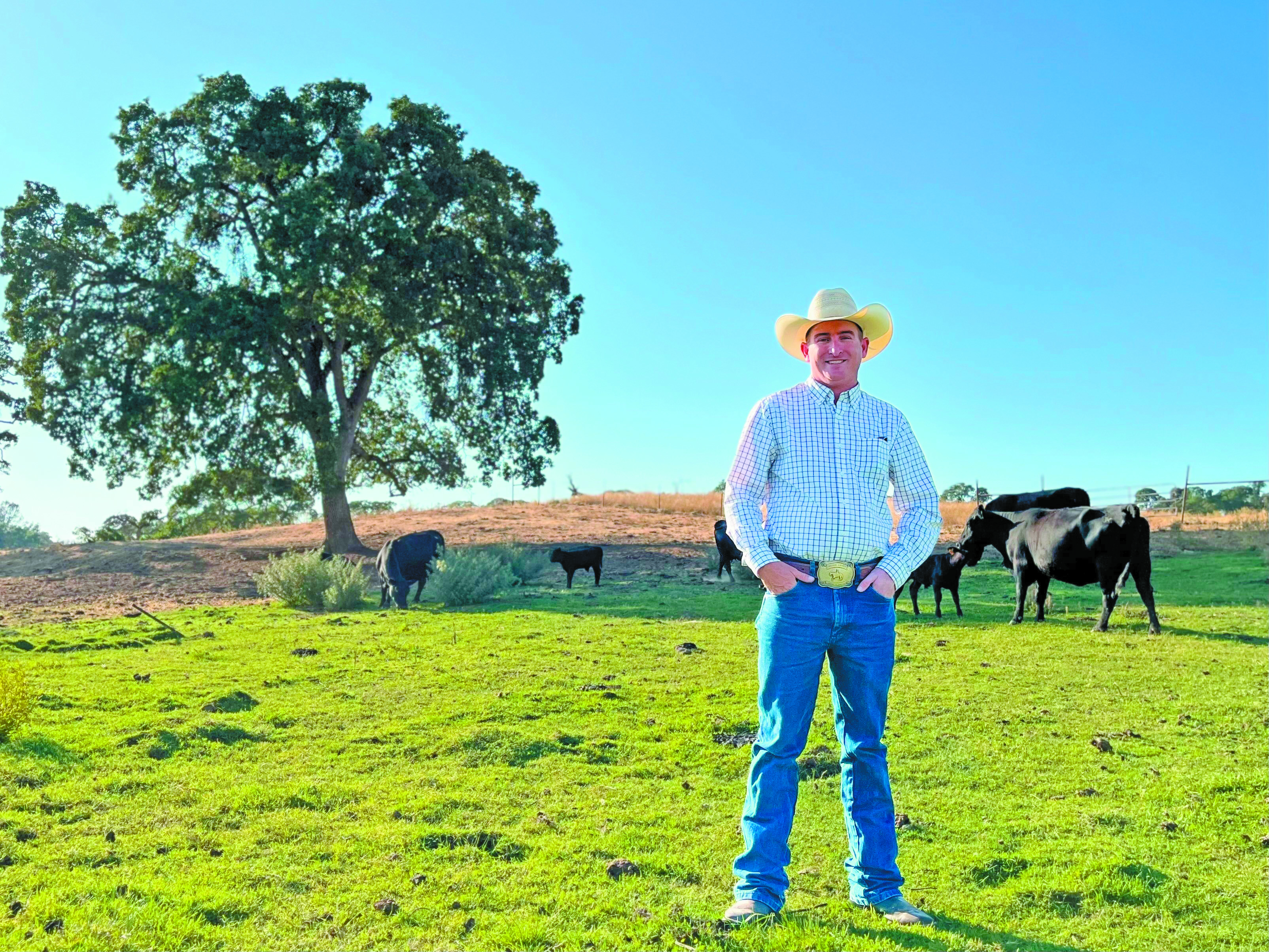
Photo/Josh Swanson


We just started spring calving. It’s a lot of maintenance projects—clearing and burning brush, downed trees and things that have fallen in the last year. We had some good rain at the beginning of December, but it’s starting to dry up to where we need rain again. We’ve had a lot of dew and moisture, and it’s been warm, so that’s kept the grass going.
Prices are the highest they’ve ever been in my life. To put it in perspective, when I was 13, I sold my first calves, and I got 96 cents a pound for my steers and 89 cents a pound for my heifers. This last year, I got $2.78 a pound for my steers—a $2 per pound increase in 20 years. It’s a double-edged sword because I have the room to expand my herd, and I want to buy more cows. But at $3,000 a head, it’s hard to come up with the capital to buy replacements.
Through the Expanding Your Roots mentorship program through Farm Bureau, my mentor and I have discussed exploring contracts because he’s looking to buy more calves for his operation. He has a cattle ranch and a feedlot and does direct-to-consumer marketing through farmers markets. He has more demand than he has supply, so he and I discussed a contract to where he buys my calves. It was cool because that’s not a connection that would’ve been made had it not been for the mentorship program.
I’m part of a very small irrigation association, and we’ve been trying to get our open ditch flood irrigation system put into pipe. But we can’t afford to do it because we’re talking millions of dollars, and a lot of grants don’t recognize districts of our size. There’s seven of us that use this system. There’s a lot of push from the state and local water entities for us to become more efficient, but there’s not the resources to make that happen.





.svg.png)
