


From the Fields: Pat Wirz, San Benito County farmer and rancher
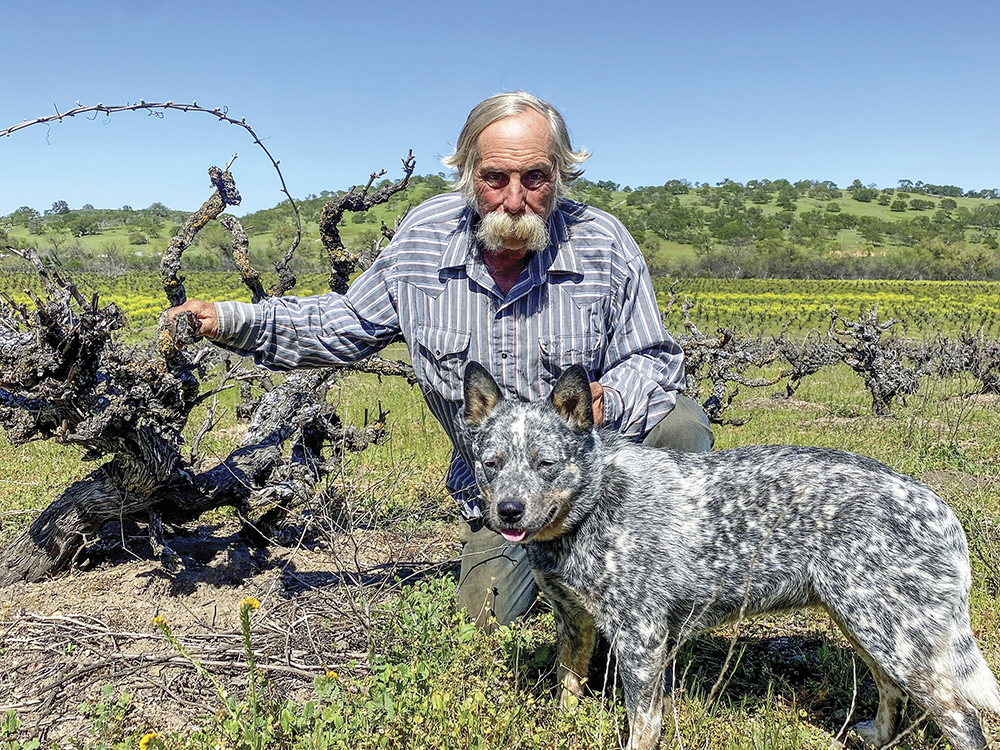
Photo/Cody Wirz


By Pat Wirz
San Benito County farmer and rancher
We’re getting ready to start pruning vineyards, which is our annual task, and it usually takes us until the middle of March. We’ve got all our walnut orchards taken care of and all the wood picked up from the harvest. When you shake the walnuts, sometimes the shaker will knock some wood down, and we make sure to get it all picked up. We’re still feeding cattle, but they’re starting to scatter out into the hills. We’re getting ready to do our regular winter chores. All my hay is planted. I generally raise enough hay for the cattle I have, planting barley and a barley mix. It’s all in the ground; we’re just waiting for more rain.
We’re a small vineyard, about 60 acres. For the most part, my grandson, son-in-law and I prune all of it ourselves. We’ve got about a three-month window to get the pruning done. It’s an old-vine vineyard, and we spur prune most of it. It’s pretty standard vineyard pruning, but it takes a long time because there are only three of us covering that many acres.
As for the walnuts, we’re organic. It takes a few more hoops to jump through, but the added price makes it worthwhile, especially with an older orchard. I’ve gotten my tonnage back from the sheller, but I haven’t received any pricing yet. We generally get half our payment by the first of the year, and from everything I’m hearing, the price should be a little better than last year.
On the winegrape front, most people in the industry know there’s a glut in the wine market. I’m fortunate because we can raise grapes dryland if we get our annual rainfall. In drier years, I could irrigate, but I generally don’t because of the quality. I sell to small and medium-sized wineries and fill a bit of a niche since my grapes are dryland and old vine. We’ve been farming grapes in this little valley for over a hundred years, and the quality is good.





.svg.png)
