


From the Fields: Jeremy Jensen


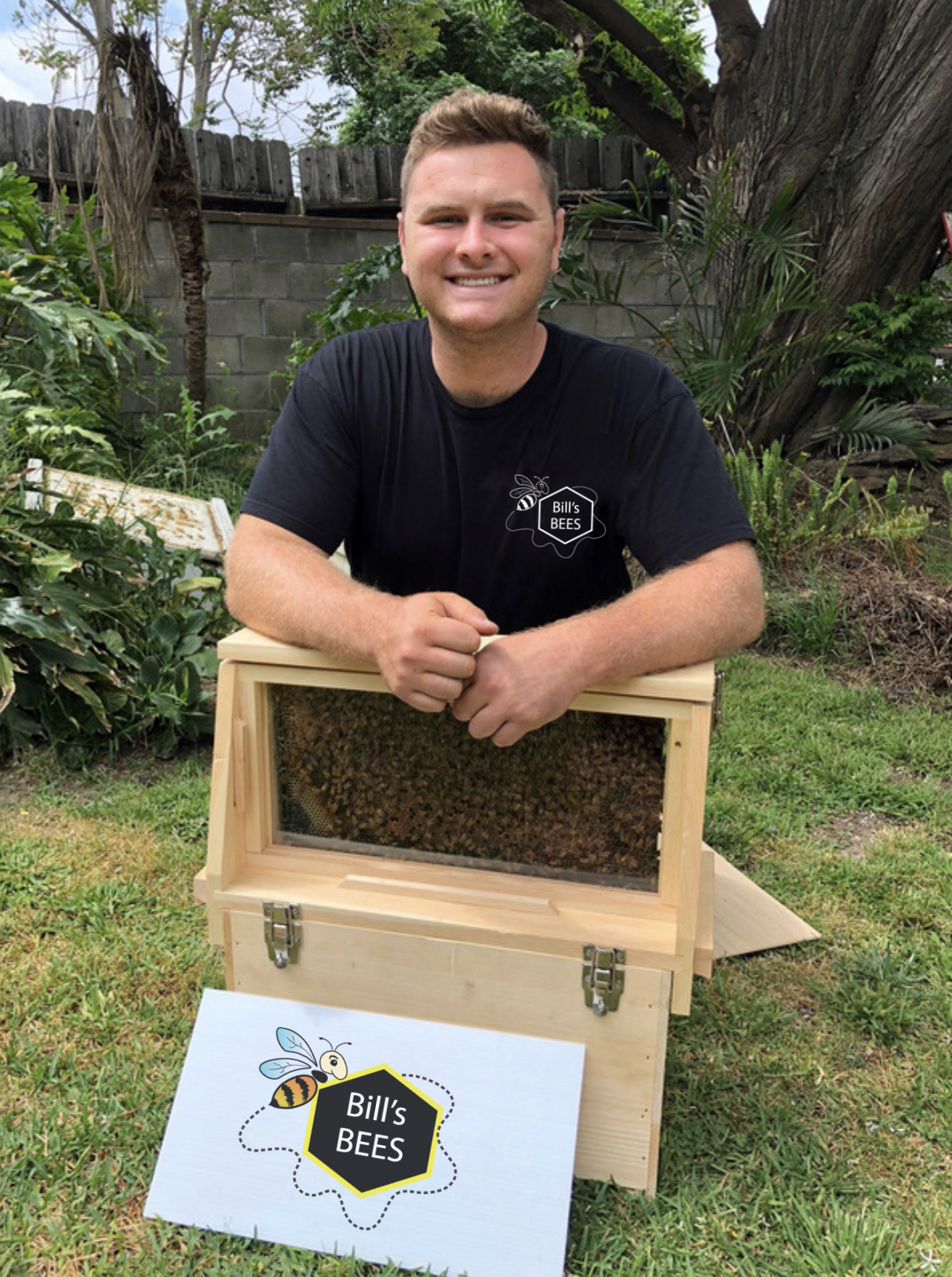
Photo/Courtesy of Jeremy Jensen
By Jeremy Jensen, Los Angeles County beekeeper
Right now, our bees are preparing for springtime. We’re feeding them, we’re making sure they’re in good shape to meet our almond obligations. We make lots of honey in the mountains. We pollinate different crops. We’re moving our bees from the wildflower fields in the national forest to orchards with oranges, avocados, almonds and other things. We do a little bit of row crops, including pollinating onions and pumpkins.
Last year was great for us. We had lots of rain, and we were happy with the amount of honey we were able to make. The more rain we get, the more nectar is produced by the flowers. In drought years, we have a really hard time, so these past two or three years have been helpful for our businesses.
The health of the bees has been hard. We’re always talking about how to battle Varroa mites and keep our bees healthy. The Varroa mite is a parasitic mite that lives on the back of a bee, and the wound that it creates on the bee is a source for infections and diseases to get into the bee itself and infect the colony. The big thing for beekeepers is making sure your Varroa mite level is consistently low. If you can keep your mites under control, you’re usually successful.
We’ve had consistently low mite counts, but then all of a sudden, they get out of control. We’re seeing other hives collapsing nearby. I’ve heard horror stories from other beekeepers that are going through the same thing. They’re battling Varroa mites, and they’re under control one day or one week, and then over the next few weeks, they’re out of control. That’s been new for us. Nature evolves so quickly that it seems year to year one treatment works and then the next year it doesn’t. We’re always trying to keep on top of that and make sure what we are putting in the hive is effective.





.svg.png)
