


Precision is key to reducing antibiotic use on dairies
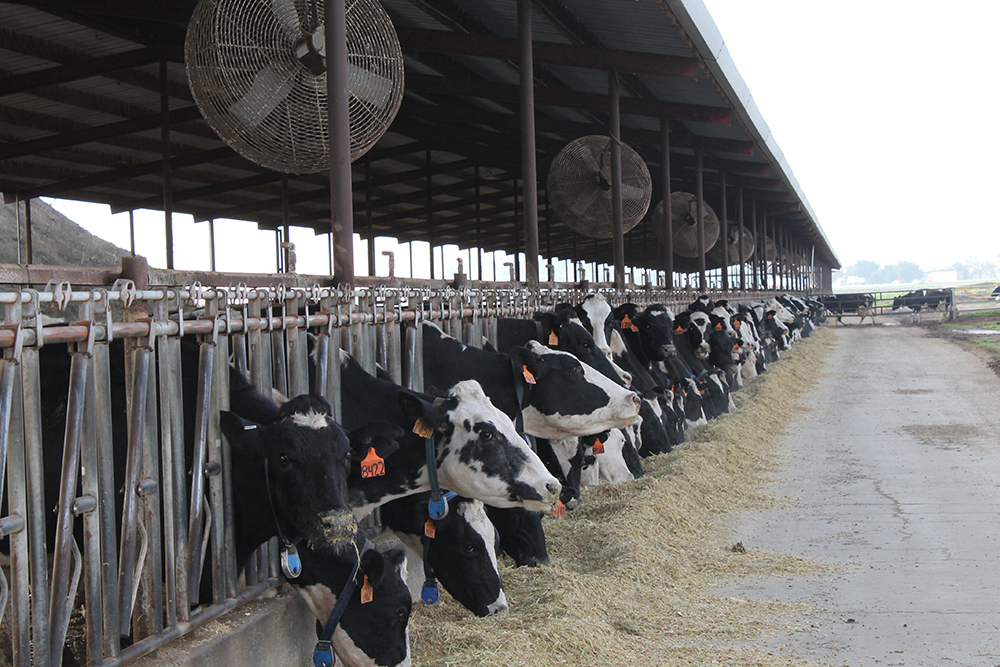
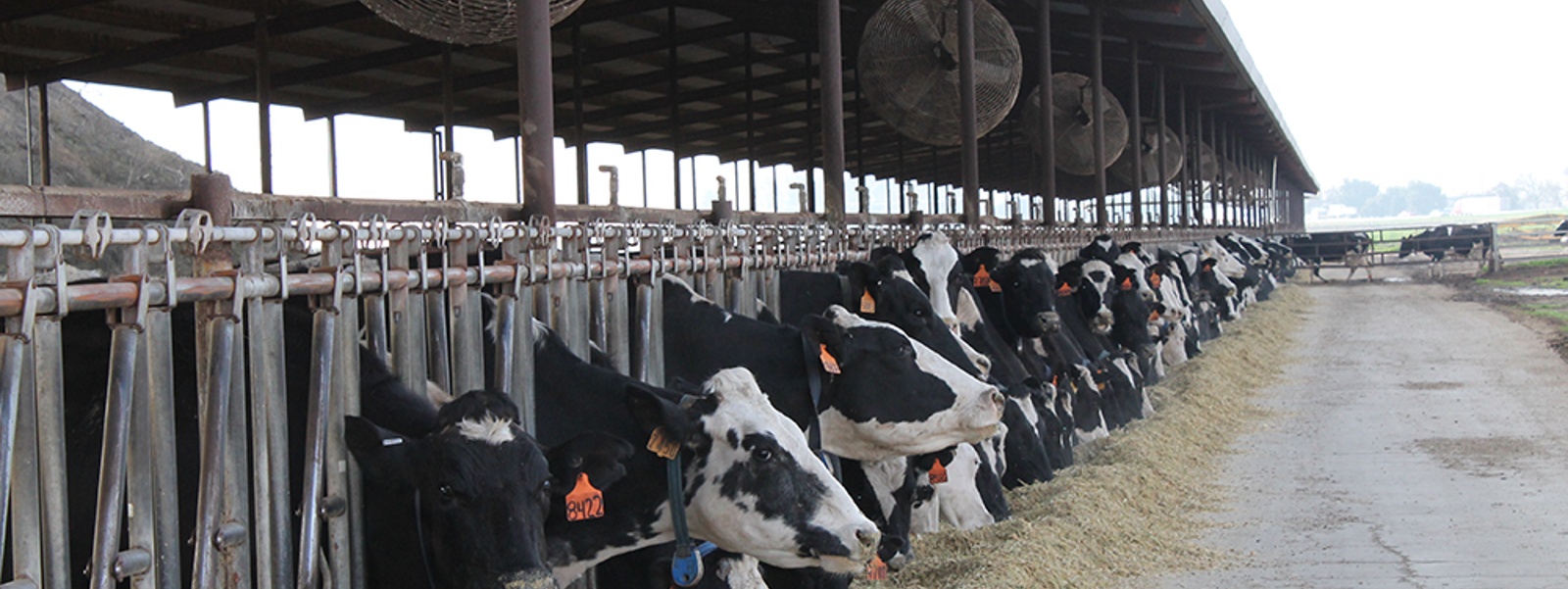
The bacteria causing mastitis accounts for a large share of antibiotic use on dairies.
Ag Alert file photo


By Cecilia Parsons
When cows develop mastitis, dairies often respond with immediate antibiotic treatment. That approach has long protected animal health and milk production. But research suggests treating every case the same way may not always be necessary.
Christian Bernal-Córdoba, a veterinarian and graduate researcher at the University of California, Davis, said the discussion around antibiotics should focus less on cutting use and more on improving precision.
“Antibiotics themselves are not the problem,” he said. “The problem is how we use them.”
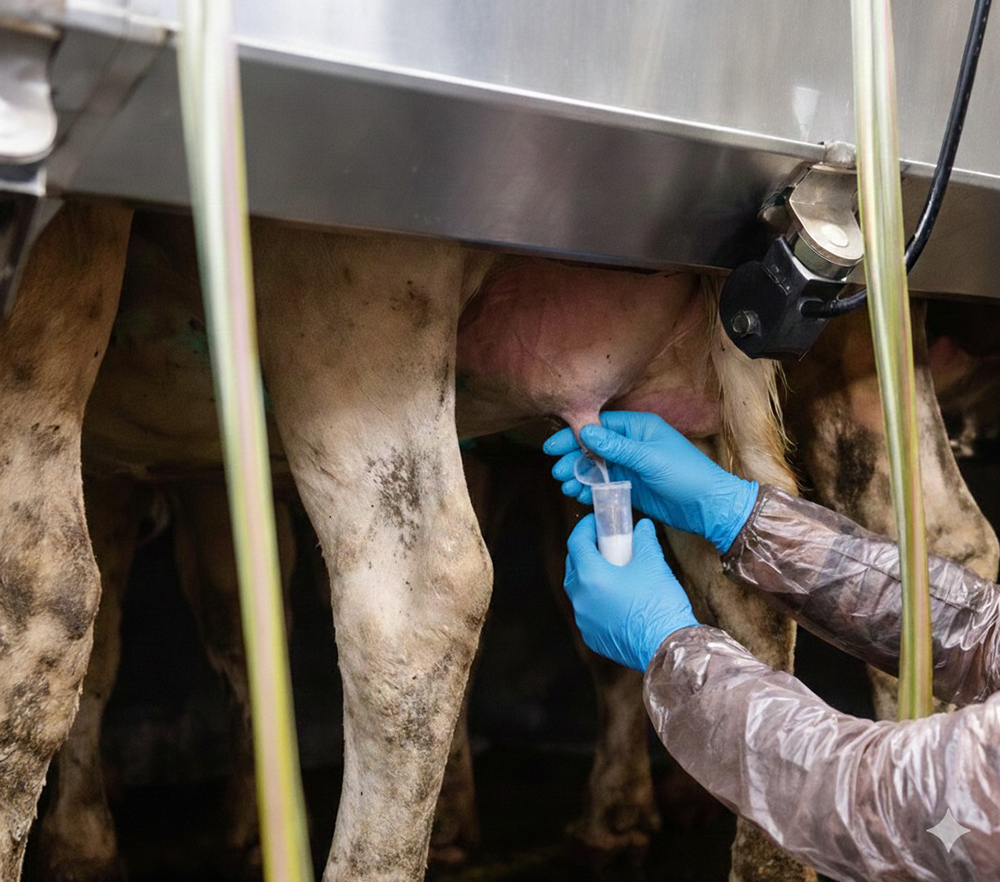
Photo/Courtesy of Christian Bernal-Córdoba
Rather than emphasizing reduction alone, Bernal-Córdoba said producers can focus on optimizing antibiotic use by applying treatment when it provides clear benefit.
Antibiotics remain essential tools on dairies. They are commonly used to treat mastitis, metritis and lameness in mature cows, as well as diarrhea and respiratory disease in calves. These conditions affect milk production, labor efficiency and overall profitability.
At the same time, antimicrobial resistance has drawn greater attention to how antibiotics are used in both human and animal health. Antimicrobial resistance occurs when bacteria adapt in ways that reduce the effectiveness of antibiotics, making infections more difficult to treat over time, Bernal-Córdoba said.
For producers, that conversation is increasingly tied to veterinary oversight, regulatory changes and consumer expectations. Bernal-Córdoba said the goal is not elimination but more strategic use that protects herd health while preserving long-term drug effectiveness.
Mastitis—inflammation of a cow’s udder—accounts for a large share of antibiotic use on dairies, making it a key opportunity for refinement.
Emanuel Okello, a specialist in antimicrobial stewardship at the UC Davis School of Veterinary Medicine, said optimizing treatment decisions can reduce use while improving efficiency. State requirements for veterinary authorization have already lowered total antibiotic use, he noted. They also create opportunities for dairies to improve decision-making and reduce unnecessary costs.
“Rather than the common procedure of giving a cow showing clinical signs of mastitis an automatic antibiotic injection, managers could send milk samples to a laboratory to determine the exact pathogen causing the infection and use the appropriate treatment,” Okello said.
Somatic cell counts—a measure of inflammation in milk—can also help determine whether treatment is warranted, he said. Cows with higher counts may benefit from antibiotics, while some cows with lower counts may recover without antimicrobial intervention.
Reducing unnecessary treatments lowers drug costs, decreases discarded milk during withdrawal periods and reduces time spent managing hospital pens. For larger operations, even modest improvements in treatment targeting can translate into meaningful savings in labor and production.
Okello acknowledged logistics can be challenging, particularly on large dairies that manage multiple samples. Dairy Herd Improvement Association programs can assist by providing herd-level somatic cell count data. With sufficient data, managers can use data-driven tools to identify higher-risk cows and guide treatment decisions.
“That type of approach shifts treatment from routine to informed,” Okello said.
Bernal-Córdoba emphasized that prevention remains the most effective way to limit antibiotic use. Maintaining clean environments, improving milking procedures and reducing teat injuries all help lower mastitis risk.
Consistent teat dipping and proper equipment maintenance are critical, he said. Employee training also plays a major role in reducing variability in procedures.
Calf management is equally important. Housing calves separately early in life limits disease spread. Proper colostrum management strengthens immunity, reducing the likelihood of diarrhea and respiratory disease that often require treatment. Vaccination programs and biosecurity measures further reduce disease pressure.
“When you reduce disease pressure, you reduce the need for intervention,” Bernal-Córdoba said.
Peer-reviewed clinical trials conducted under commercial dairy conditions have evaluated pathogen-based treatment protocols. One study on a 1,000 Holstein cow dairy compared immediate blanket treatment with a delayed, pathogen-based approach. Under the targeted protocol, treatment was delayed until 24-hour culture results identified the pathogen.
Only cows with certain gram-positive infections received antibiotics. Cases involving gram-negative bacteria or no bacterial growth were not treated.
The targeted approach reduced antibiotic use by 68%, with 32% of cases treated compared to 100% under blanket therapy. Hospital pen time was shorter under the targeted protocol. Importantly, both groups showed similar outcomes in days to clinical cure, postevent milk yield and survival rates at 30 and 60 days.
Additional multifarm research evaluating on-farm culture systems reported similar results. Targeted treatment reduced antibiotic use by more than half, shortened milk withholding time and showed no significant differences in cure rates or risk of new infections.
“These studies show we can be more precise without sacrificing performance,” Bernal-Córdoba said.
Economic modeling published in the Journal of Dairy Science has also evaluated selective treatment protocols. Those analyses suggest targeted approaches often generate positive financial returns, even after accounting for diagnostic costs.
Financial benefits vary depending on herd size, disease pressure and treatment costs. Operations with higher mastitis incidence, longer withdrawal periods or higher antimicrobial costs appear to see the greatest advantage. In many modeled scenarios, targeted treatment improved net return per mastitis case compared to blanket therapy.
Bernal-Córdoba and Okello said that together, clinical and economic evidence suggests selective treatment can maintain comparable health outcomes while reducing unnecessary drug use, labor and milk discard. Bernal-Córdoba cautioned that no single strategy applies to all operations.
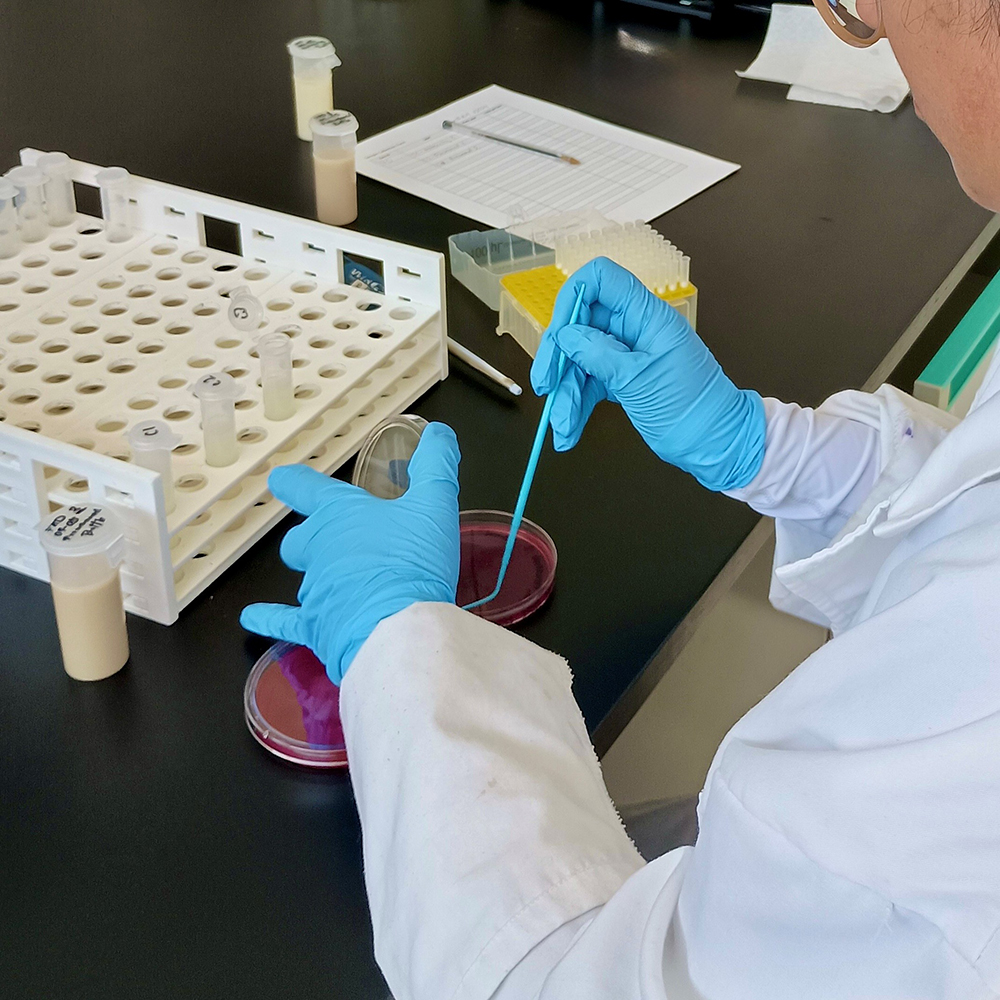
Photo/Courtesy of Christian Bernal-Córdoba and Y. Alonso-López
“There is no silver bullet strategy that can be applied in all dairies,” he said.
Herd size, housing, labor availability and veterinary support all influence what is practical. The goal, he said, is not to adopt a universal formula but to evaluate current practices and identify opportunities to make treatment decisions more targeted and evidence-based.
Responsible antibiotic use is not about avoiding treatment. It is about improving precision. Selective treatment protocols offer producers a structured framework to optimize antimicrobial use while maintaining herd performance.
Research indicates that when properly implemented, targeted treatment can maintain clinical success, reduce unnecessary costs and improve operational efficiency. By combining prevention, diagnostics and data-driven decision-making, dairies can support animal health and long-term sustainability.
Bernal-Córdoba said he plans to continue working with dairy farmers and other industry stakeholders to better understand current treatment practices and develop practical tools that support responsible antibiotic use under real-world farm conditions.
Cecilia Parsons is a reporter in Tulare County. She can be reached at agalert@cfbf.com.







.svg.png)
