


California voices: What FFA really means to its members
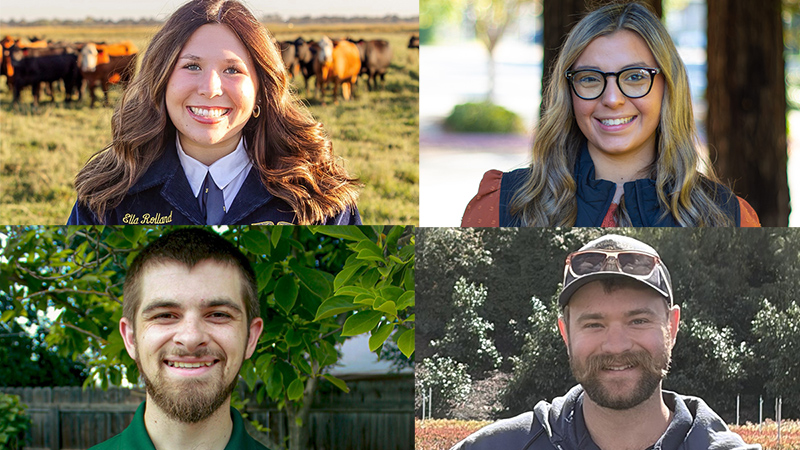
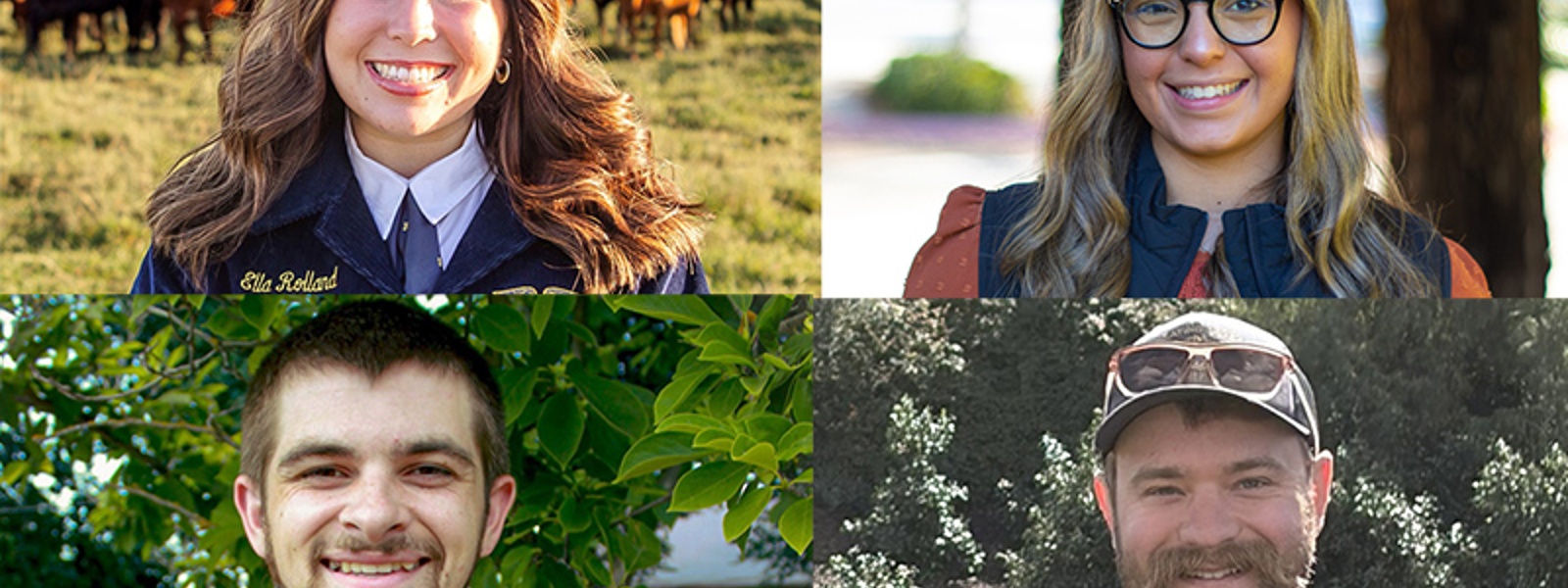
Photos/Courtesy of Ella Rolland, Destiny Reyes, Brendan Black and Timmy Kittich


Ella Rolland
FFA student at East Nicholas High School in Sutter County
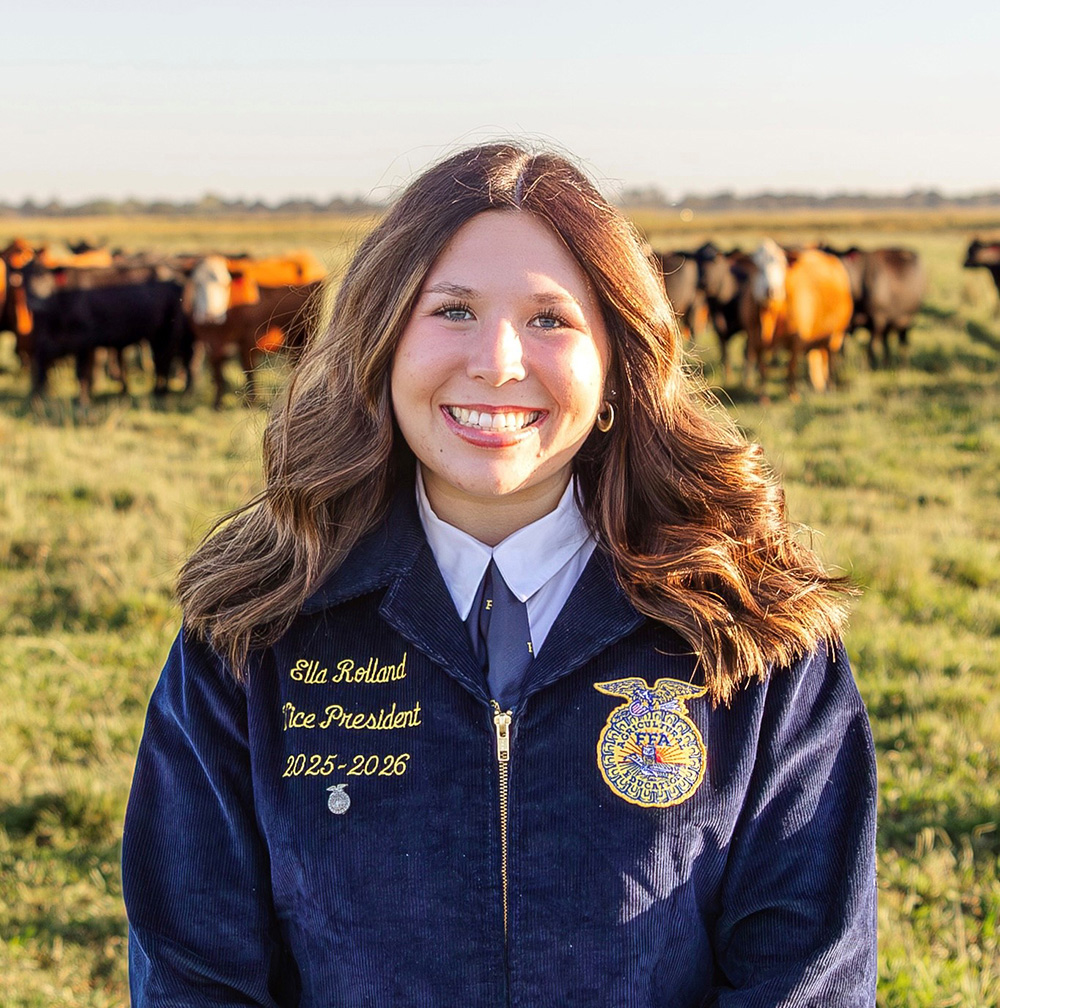
I was in eighth grade when I heard that East Nicholas, my high school, was able to show fair animals, so I was interested in enrolling in an ag class. From my first day in the ag classroom, my ag teacher really motivated me to get involved in speaking contests. My first was opening and closing, and with my adviser’s support, I learned my passion for public speaking and serving. I continued to grow and try new experiences.
My biggest misconception about agriculture before joining FFA was that only farmers can be involved and have a career in this industry. Since joining FFA, I’ve been exposed to many career paths that allow us to serve others and support the industry that feeds and protects the world every day.
FFA has opened doors for public speaking, serving other members and experiencing opportunities I wouldn’t have without the blue jacket. I’ve been able to compete in multiple CDEs (career development events) and LDEs (leadership development events) such as Creed, Co-op, Impromptu and Job Interview that equip me with real-life skills that will benefit me far beyond high school.
By taking every opportunity thrown my way, I stepped into leadership roles in my chapter and at the regional level, where I can connect with members on a deeper level and grow myself and the name on my blue jacket.
I’m looking into agricultural education because I love to teach others and be someone people can rely on and trust. My advisers have impacted me so much. They have shaped me into the person I am today, and I would love to be that for students one day.
I would explain FFA as an opportunity to find your place in high school and develop yourself as a person. Putting on the blue jacket immediately gave me a family and a reason to be there and serve. FFA gives you a place in high school where you feel valued and can try new things you might not experience elsewhere.
Destiny Reyes
Stanislaus County college student and recent FFA alumni
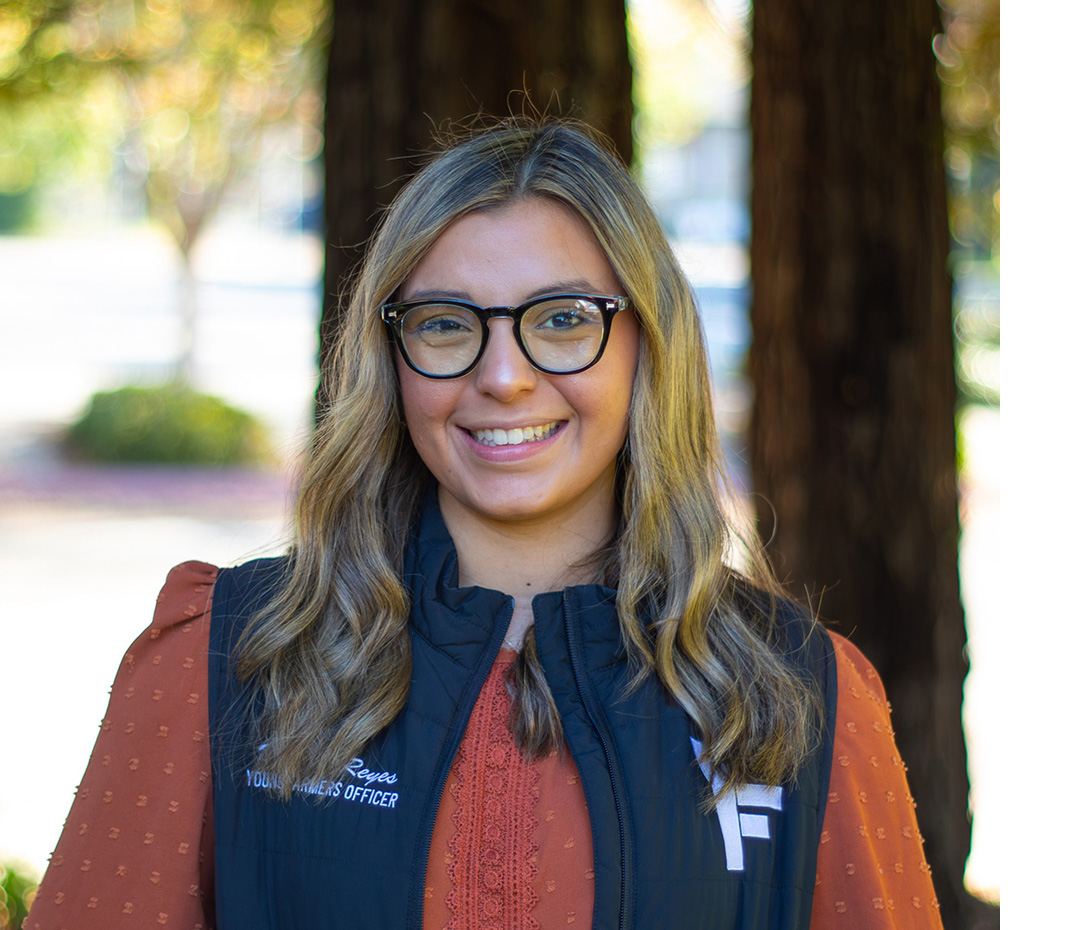
My favorite part about being in FFA was that it became my closest family. Some of my closest friends are from FFA. I didn’t come from agriculture and had no previous experience besides showing goats and dairy cattle. When I entered the ag program, there were welcoming arms from advisers, peers and the community, and it led me to succeed in the program.
My ag advisers saw sparks in me and showed me the ropes of FFA. That created my pathway to where I am today and helped me get involved in the industry and provided experiences I’ll never forget.
I had multiple SAEs (supervised agricultural experiences), including a dairy goat project, a swine project, a horse training business and a food science project. The biggest lesson I learned was you get what you put into something. If you want something, you’re going to get what you put into it.
The biggest skill I use is communication and getting out of your shell. My teacher pushed me into a speaking competition for Job Interview. From that moment, I decided no matter what comes my way, I’m going to take it head on.
I attended conferences, leadership experiences and career development events, and every time there was a powerful connection between peers, mentors and industry leaders. Without FFA, I wouldn’t have had the passion to connect to the ag industry or the people working on farms to put food on our tables and clothes on our backs.
Because of FFA, I landed a job at the Farm Bureau, met someone at UC Davis and did an internship, and ended up where I’m working now. There are so many connected pathways from being in FFA because it builds you to be a better person and the next leader of agriculture.
I see myself teaching high school and ultimately teaching college. My goal is to be a mentor to the future of agriculture and help students as they enter the real world.
Brendan Black
Tulare County agriculture teacher
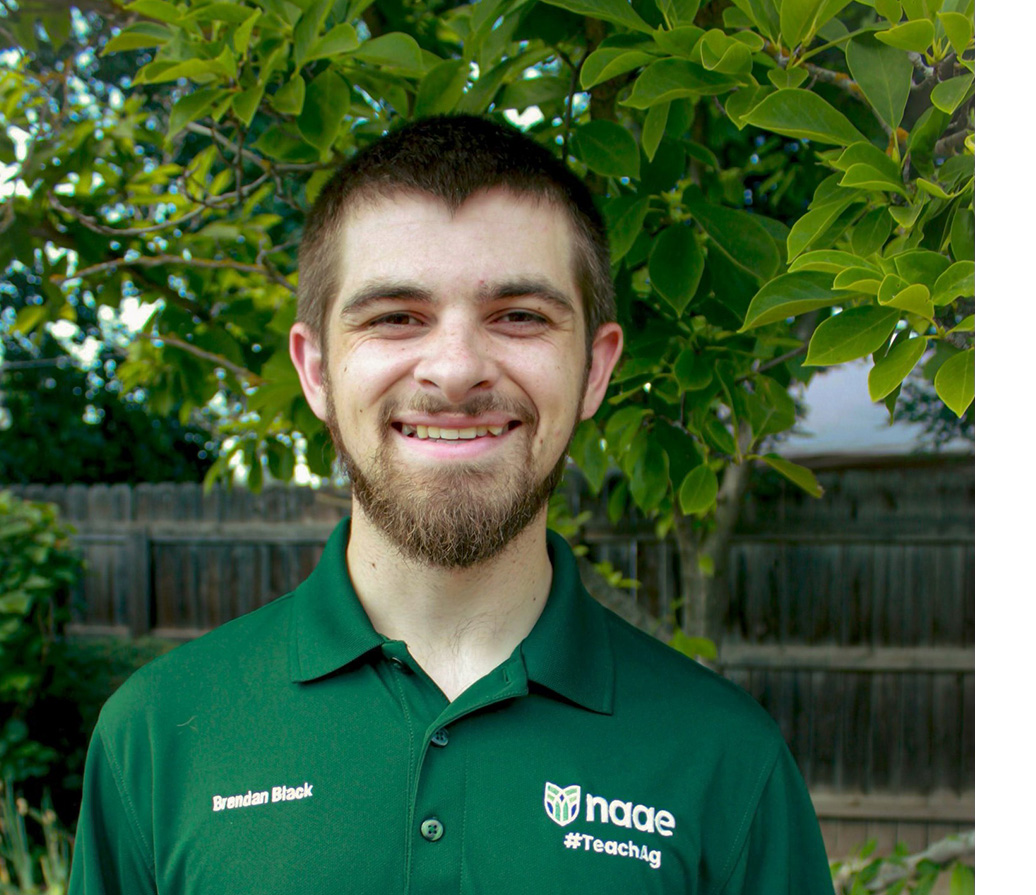
The only reason I became an ag teacher is purely off of my FFA experience. When I was in middle school, agriculture was definitely not on the top of my list. I had parents that were involved in agriculture and siblings that went through FFA, so they told me I had to try a year of ag before I was allowed to give up on it.
So, I tried it. I showed a steer, went to some conferences, and did opening and closing ceremonies. From that point, I decided I could stick with this for a little while. It was around my junior year when I was getting involved in speaking teams, going to more conferences, showing more and being a chapter officer.
A couple of my ag teachers told me I had strong potential for being an ag teacher. At the time, I was mentoring younger students in my chapter, helping them learn showmanship and how to speak better. During that time, it reinforced for me that I love working with students.
One of the big things I push on my students is the importance of taking opportunities. When I was a student, I didn’t really see the benefit in doing a lot of the things I was doing. I was doing citrus judging, dairy cattle judging and extemporaneous public speaking because I was told I would be good at them. I didn’t really see how far those things were going to take me.
So I tell my students, “Even if you don’t quite see the point in doing something, if somebody’s telling you to do it, you should probably give it a try. This is probably one of the most useful skills you’re ever going to learn in life.” For the kids who don’t have an ag background, it’s really exciting to see them get exposed to it for the first time. You don’t have to go into agriculture because you’re in an ag class.
Timmy Klittich
Ventura County nursery operator and FFA alumni
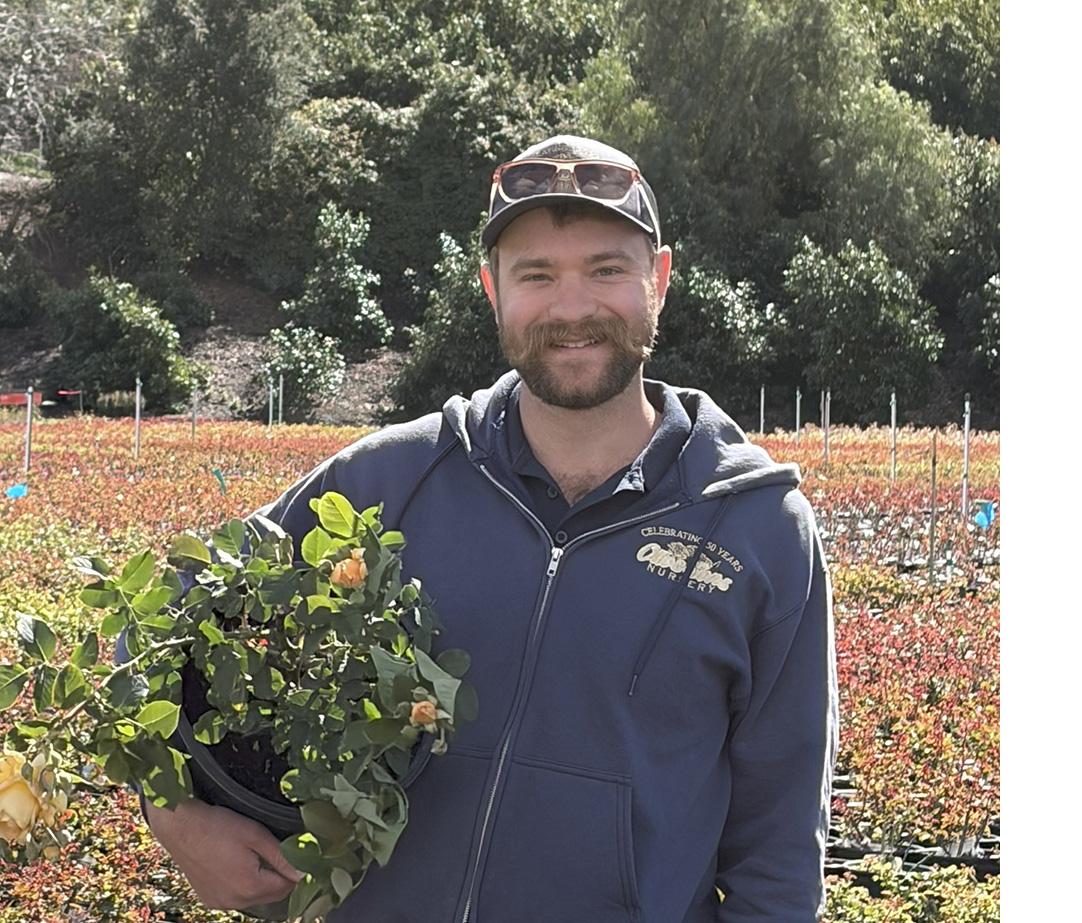
I always knew I wanted to go into ag. Growing up, I would go to work with my dad, and it was always something I knew and wanted to do, so it was logical to get into FFA. That was where I started to learn real leadership skills.
I remember going to all the different FFA programs every year. It opened my eyes to different styles of leadership and how to get people to come together and effectively lead a team. It was integral in my progression into agriculture.
My grandfather founded Otto and Sons Nursery in Fillmore. I’m third generation. Before he moved here in the ’40s, he grew roses for cut flowers in Europe. Before that, his father and his grandfather grew roses as well. It’s about five generations at least.
I see agriculture becoming more complex every year. There are more regulations and technology. It’s all moving quickly, and as technology increases, we’re going to have to rely on it more just to keep pace and keep production up. The best way to keep up is to visit local farms and see what farmers are doing to solve the problems they have. It’s one thing to read about new technology, but it’s another to see it applied and see how useful it is. A lot of farmers are spending more time on regulations and paperwork than on farming.
Agriculture will continue to be an integral part of our economy and society. The best way is to learn applicable skills and have enthusiasm for learning. Most importantly is learning how to learn.
If we can reach out to students and let them know how rewarding and essential agriculture is to our society, FFA is a great way for them to dip their toes in and learn if it’s right for them. The most realistic way to get people into programs is word of mouth—friends and teachers promoting what they’re doing. It seems antiquated, but it’s still the most effective.





.svg.png)
