


USDA allows phosphine gas for use on quarantine citrus


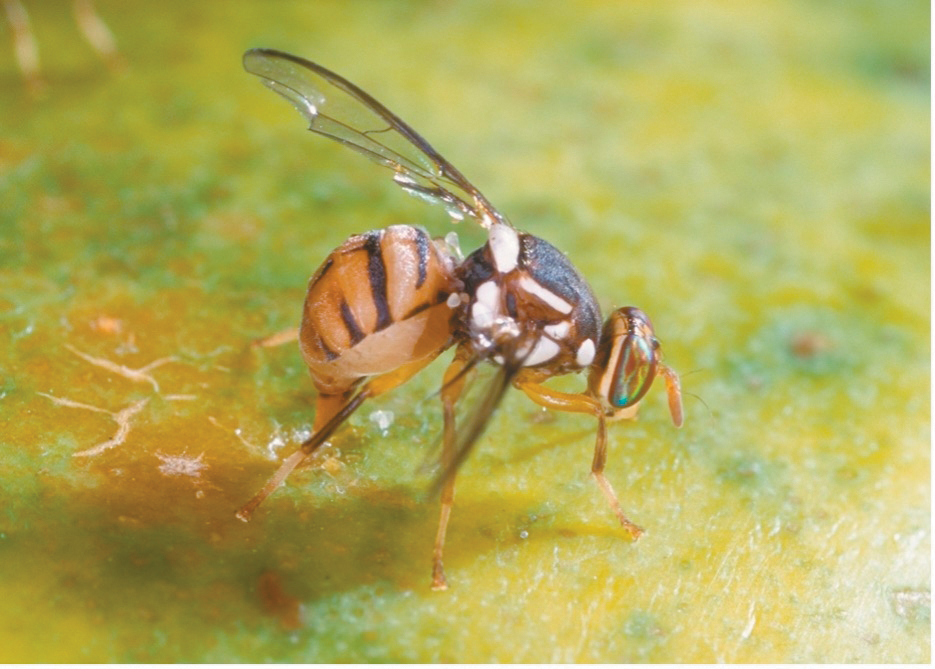
Photo/U.S. Department of Agriculture Agricultural Research Service
By Ching Lee
California citrus growers and packers within the Redlands Oriental fruit fly quarantine area of San Bernardino and Riverside counties now have a new postharvest treatment option that allows them to move fresh fruit from noncore areas of the quarantine to areas outside the quarantine.
The U.S. Department of Agriculture earlier this month approved the use of phosphine fumigation in combination with five days of cold treatment as a postharvest treatment.
Previously, growers could either perform a 30-day preharvest bait spray in the orchard prior to moving fruit or one of two postharvest treatments: fumigate fruit with methyl bromide plus cold treatment or irradiation.
USDA said it approved phosphine fumigation as an alternative method because neither of the existing postharvest treatment options is “economically viable” for growers in the Redlands quarantine, which was established on Sept. 23 and encompasses 554 square miles and more than 6,500 acres of commercial agricultural production.
More than 300 crops and plants can host the Oriental fruit fly, which is native to eastern Asia and has been detected in the U.S. on numerous occasions, according to USDA. The pest lays eggs in unripe fruit. The subsequent larvae then tunnel through the fruit, making it unfit for consumption.
With harvest well underway, the department acknowledged there is not enough time for affected growers to complete the 30-day bait spray and still have marketable fruit. The local citrus season runs through March, according to Erik Downs, deputy agricultural commissioner in Riverside County.
Downs said even though use of methyl bromide and irradiation are federally approved methods, there are no facilities that can conduct them locally, “so shipping to an approved facility adds logistics and time costs.”
The U.S. phased out use of methyl bromide as a routine soil fumigant in 2005, but the material remains available for quarantines and preshipment purposes, according to the U.S. Environmental Protection Agency.
In announcing the approval of phosphine gas as a postharvest treatment option, USDA said the new approach “provides relief to growers” trying to move fruit domestically from inside the quarantine but outside the so-called core areas, or pest detection site.
Downs said the Corona-College Heights Orange and Lemon Association, or CCH Citrus, which has packing facilities in the city of Riverside, is set to use the phosphine method, which allows affected growers to harvest without prior authorization from the California Department of Food and Agriculture.
“This is great news for industry,” he said.
The new method applies only to fresh citrus within the Redlands Oriental fruit fly quarantine for the 2024 season, USDA said.
Citrus fruit from the area destined for international export may not be shipped unless it meets quarantine certification requirements for export.
To meet the requirements, growers and packers in the quarantine area must enter into a compliance agreement with USDA before shipping. Shipments must include a state or federal compliance certificate and be clearly labeled to say the fruit is not for export outside the contiguous U.S. unless it meets quarantine export requirements.
Affected orchards must meet fruit fly trapping, monitoring, treatment and inspection requirements.
If a portion of an orchard falls within the quarantine core area, the entire contiguous block is not eligible to ship. If the fruit fly is detected after treatment, the grove may not ship fruit for the remainder of the season. If fruit fly larvae are found, fruit from that block is not eligible for movement and will be culled and destroyed.
Growers in San Bernardino and Riverside counties already adhere to quarantine treatment and movement requirements for the Asian citrus psyllid.
(Ching Lee is an assistant editor of Ag Alert. She may be contacted at clee@cfbf.com.)





.svg.png)
