


Community farms promoting neighborhood health
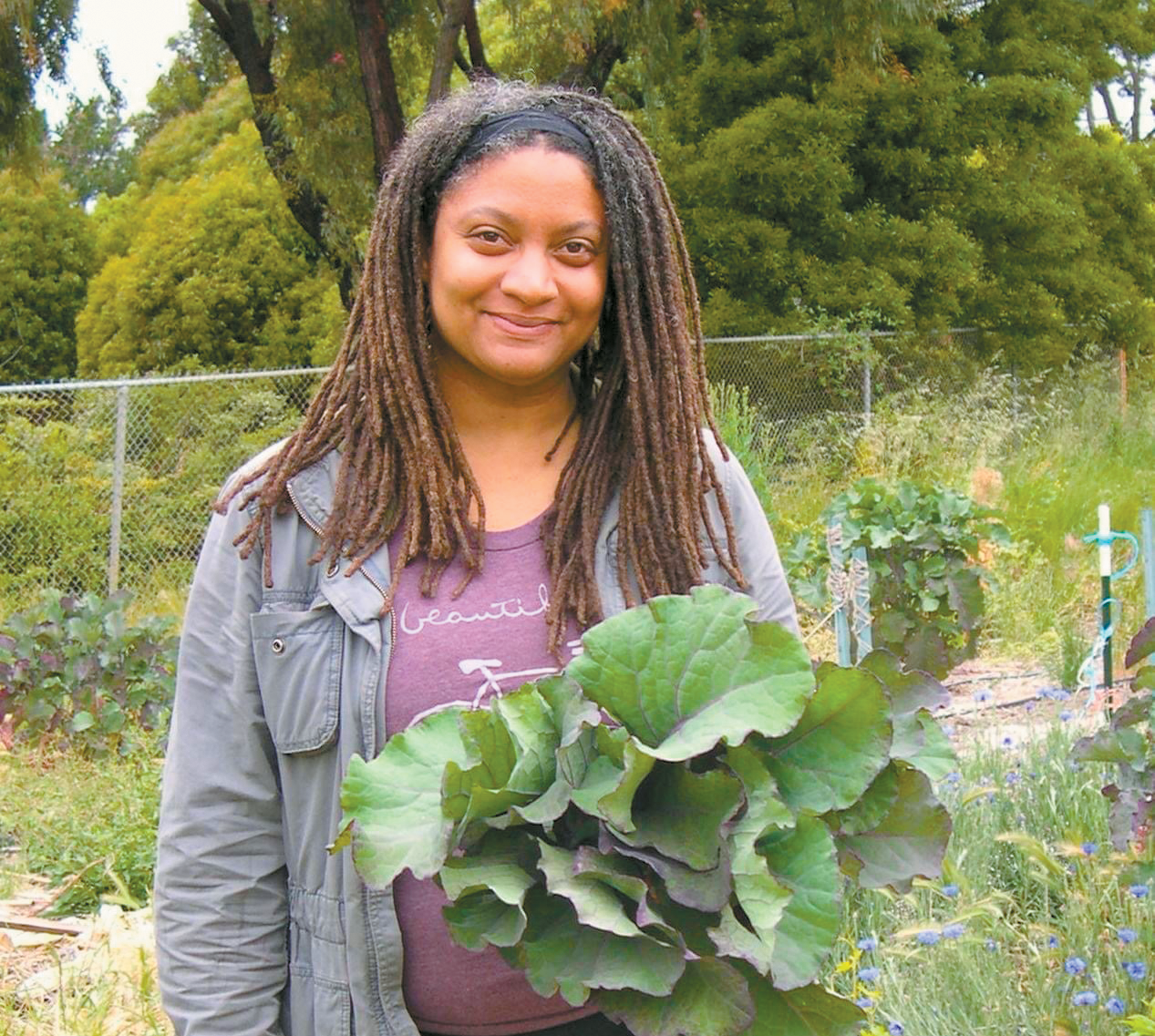
Doria Robinson is co-founder and executive director of Urban Tilth, a network of small urban farms in Richmond that serves 500 families a week.
Photo/Urban Tilth


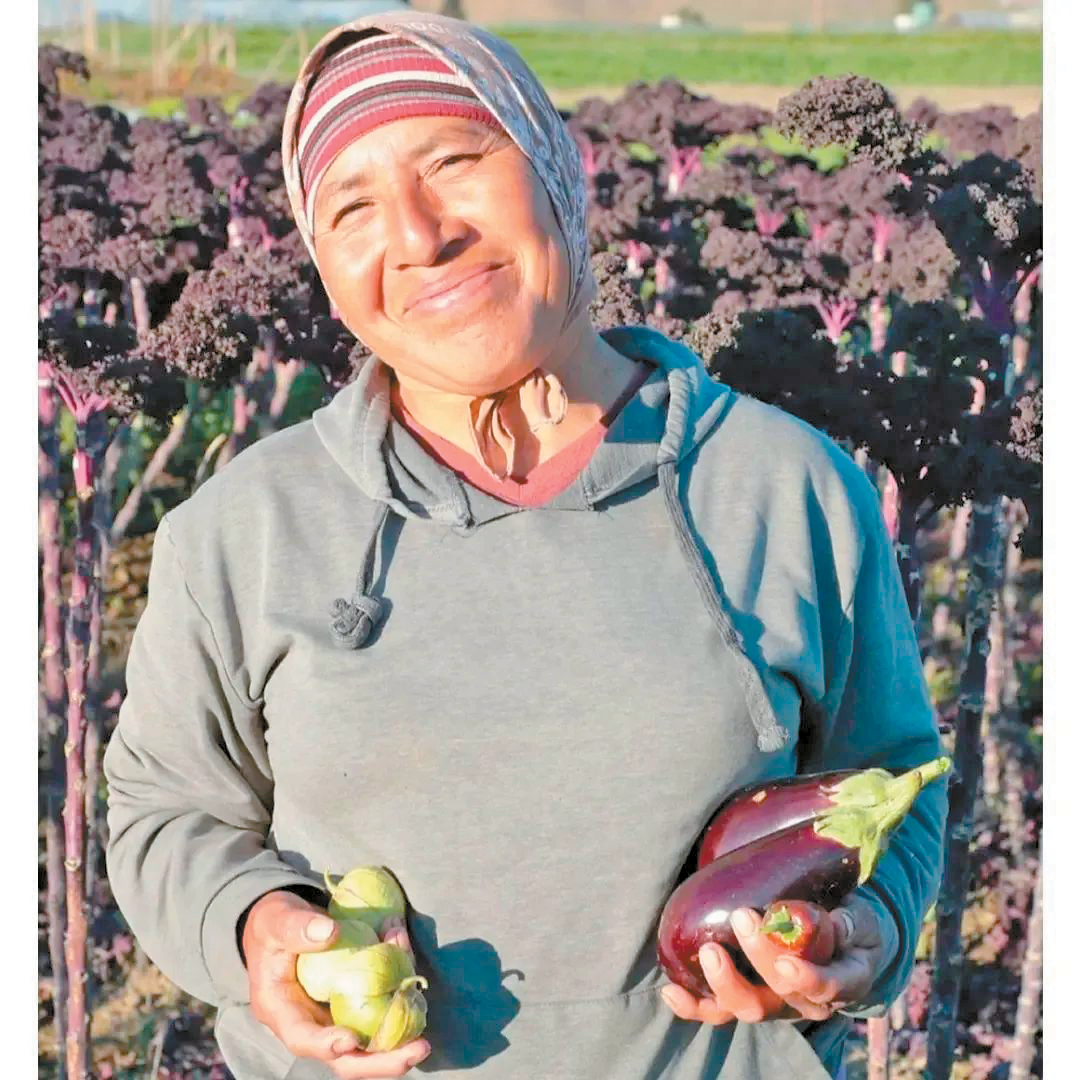
Photo/Courtesy of Narci Organics
By Bob Johnson
With ties to the San Francisco Bay Area community of Richmond that date back several generations, Doria Robinson helped shape the character of the urban region where she grew up by creating a small, urban farm that generates seeds of hope while growing food for the community.
“In the 1980s, there was one grocery store for a city of 100,000 people,” Robinson said during a presentation at the 44th annual Ecological Farming Conference in Monterey last month. “We started taking vacant lots and making community gardens. We can take places full of trash and grow food.”
The event is considered one of the oldest and largest organic farming conferences in the West. During a keynote session, “Cultivating Success: Insights From Seasoned Farmers,” Robinson, a co-founder and executive director of Urban Tilth since 2007, spoke of the organization’s dedication to creating a more sustainable food system.
Urban Tilth has grown from a handful of vacant- lot gardens to a 3-acre site in western Contra Costa County and serves as the hub of the urban farming project, which hires and trains residents to farm.
“We’re trying to give people in a city a relationship to land,” said Robinson, who represented urban farmers on the California Department of Food and Agriculture advisory board. “An urban farm has potential for seeding radical change.”
Urban Tilth’s community-supported agriculture program, or CSA, grew from serving 87 families a week to 300 families after the COVID-19 pandemic hit in 2020. The program now serves 500 families each week. A CSA box may include cauliflower, broccoli, sweet potatoes, leafy greens, yellow onions, apples and grapefruit.
Last year, Urban Tilth distributed 164,000 pounds of produce and gave away 572 fruit trees to residents so they could grow their own fruit at home.
“We can connect families who need food with farmers who need markets,” Robinson said. “The primary goal of our practice is feeding people.”
Other farmers who spoke during the conference talked about starting out as small and beginning farmers.
After immigrating from Guererro, Mexico, in 1989, Maria Ana Reyes picked strawberries for 26 years before she took a one-year course by the Agriculture and Land-Based Training Association. The course, taught at a 100-acre organic farm training facility in the Salinas Valley, develops the organic farming skills of farmworkers.
The program helps farmworkers gain affordable access to education, land, farming equipment and technical assistance. Through hands-on, land-based learning, those in the program develop organic production and business management skills to pursue farm ownership or find better jobs.
After completing the ALBA course in 2015, Reyes started Narci Organic Farms the following year.
“Our mission is to grow high-quality, organic food, support the community and be a successful business that supports our family,” Reyes said.
Narci Organic Farms grows 30 varieties of vegetables and berries and sells 50% directly to the public, 35% at farmers markets and 15% to the wholesale market.
Reyes’ two daughters graduated from California State University, Fresno, with degrees in agricultural business and returned to help run the family farm. One daughter handles bookkeeping, and the other completes organic certification forms.
Reyes said she hopes to convert her work into land ownership.
“We invest in building the soil and building networks,” she said. “We are interested in buying land.”
Bryce Loewen, a fourth-generation farmer and owner of Blossom Bluff Orchards in Fresno County, spoke about the origin of his farm, which has been in the family since the early 20th century.
“My mother’s grandparents were German immigrants,” Loewen said. “They were Mennonite farmers who saved enough money to buy 30 acres.”
In the 1980s, Loewen said, his father decided to convert Blossom Bluff Orchards to organic farming and sell fruit directly to the public.
“At our peak, we were going to 17 farmers markets a week in the San Francisco Bay Area,” he said.
Blossom Bluffs grows 150 varieties of fruit, including 100 varieties of stone fruit.
“Every week in the summer something new comes online,” he said. “If you offer more variety, you can sell more.”
Loewen said he offers consumers plenty of choices and puts out a colorful display at the farmers markets where he sells fruit.
In addition, he said Blossom Bluff Orchards expands its variety by offering dried fruit that can be sold during the off season.
Monterey County Farmer Javier Zamora, owner of JSM Organic Farms in Royal Oaks, moderated the conference. Years ago, Zamora completed the ALBA training course and classes at Cabrillo Community College. He also attended sessions held at the EcoFarm Conference before building his farming business. JSM Organic Farms grows 200 acres of vegetables, berries and flowers.
“It’s important for us to hear from these people because it gives us the opportunity to think that we can do that ourselves,” Zamora said.
(Bob Johnson is a reporter in Monterey County. He may be contacted at bjohn11135@gmail.com.)





.svg.png)
