


Tricolored blackbird conservation funding threatened
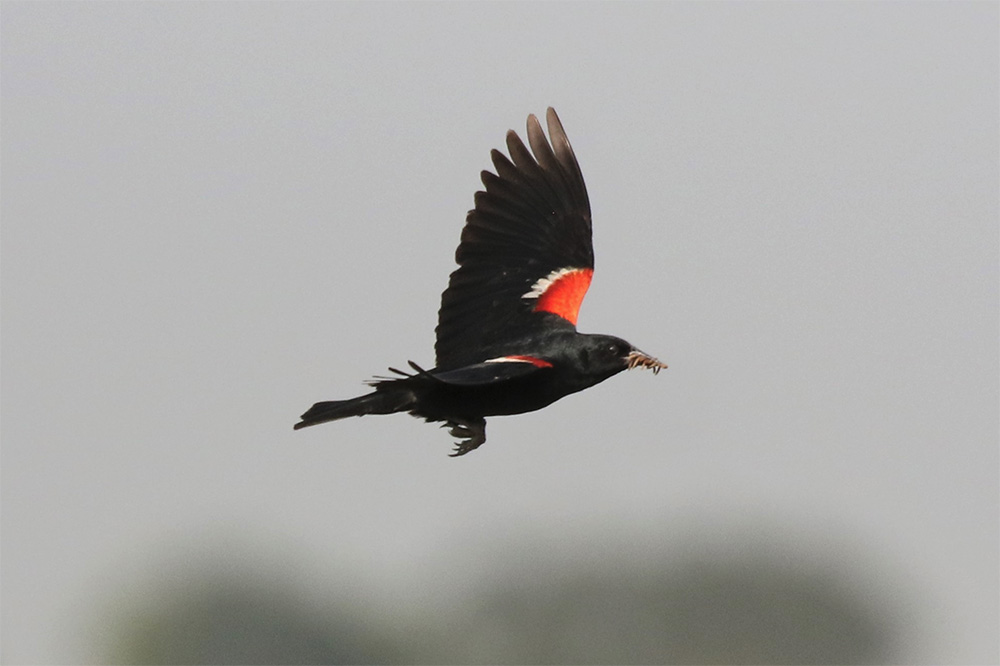
Photo/Steve Hampton


The Natural Resources Conservation Service announced last week that the draft list of payment scenarios for the tricolored blackbird Regional Conservation Partnership Program omits silage delay as an option for program participants this year.
Delaying harvest of silage crops is the primary scenario used to compensate landowners impacted by nesting tricolored blackbirds, typically providing payments ranging from $700 to $1,100 per acre. The closest remaining option on the draft list is “delayed mowing on hay fields,” which provides $200 per acre.
According to California Farm Bureau staff, which has been monitoring the program, the decision to omit silage delay was made at the federal level within NRCS, while the state continues its efforts to advocate for the scenario’s inclusion.
“The omission of silage delay as a payment scenario for the 2026 season would significantly hinder the ability to effectively protect tricolored blackbird colonies and to sustain strong partnerships with agricultural producers who voluntarily participate in the program,” said Richard Filgas, assistant director of policy advocacy for the California Farm Bureau.
California Farm Bureau is coordinating with other stakeholders—including Audubon, Western United Dairies, California Department of Fish and Wildlife and others—to urge NRCS to retain silage delay as a funding option.
It remains unclear when the payment scenarios will be finalized, though a decision is expected soon as the tricolored blackbird nesting season approaches.





.svg.png)
