


On the Record: Rhodesia Ransom talks serving the Central Valley
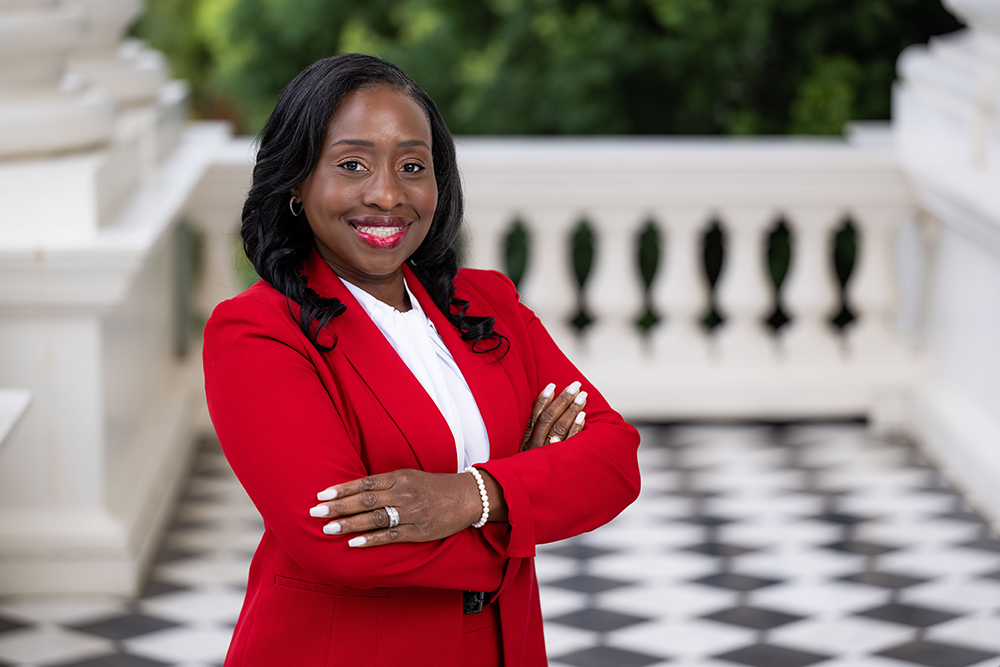
Assemblymember Rhodesia Ransom, D-Tracy, represents District 13 in the California Assembly. The district encompasses much of San Joaquin County and part of the Sacramento-San Joaquin River Delta. Ransom spoke with Ag Alert® about representing Central Valley constituents in Sacramento and her observations following her first year in the Assembly. The below conversation was edited for length and clarity.



Can you tell me about yourself and what you did before running for state Assembly?
I grew up in San Francisco as a missionary’s granddaughter. I moved to the Central Valley from San Mateo about 25 years ago. I’ve been a nonprofit executive director, providing mental health services for youth. I was a planning commissioner for nine years. I was a city councilmember for the city of Tracy. I served on the San Joaquin County Fire Authority board, the United Way board and the Delta College Foundation. Most recently, I was district director for Congressman Josh Harder.
What made you want to run for Assembly?
I was looking for a way to serve the community. Over the years, I found that the best thing to do is to help move the policy. Otherwise, you are just raising issues and complaining. When you complain about something, you say, “Somebody should do something.” Growing up with my grandmother, I was always told, “Well, aren’t you somebody?” In the Assembly, I’m able to represent the needs of our local folks here in the Central Valley. My people wanted a voice, so that’s how I got here.
What are some of the issues that are important to you?
Transportation, housing and affordability are big issues that are top of mind for me. I want to make sure that my kids, who grew up in California, can afford to live here for years to come.
What were your observations of the legislative process in Sacramento during your first year in the Assembly?
There are a ton of bills, and one observation I had was that it’s important to look ahead for unintended consequences. I also realized that my colleagues want what’s best for California. So, even though we might have different approaches and perspectives, there is a shared commitment to trying to do the right thing.
Was there anything that surprised you about how policy is made?
I was surprised how quickly people expect you to tell them how you’re going to vote—before you even have a chance to look at something. People want a decision right now, but that’s not always going to get you the best answer.
How would you describe your approach to policymaking?
I prioritize my district. I have a very well-equipped team that understands we need to break down every bill and know who is going to be impacted before we make a decision. I am one of a handful of legislators who reincarnated a group called the Central Valley Caucus. It’s a bipartisan group of legislators who decided we are going to work together regardless of our political differences to make sure the Central Valley and the ag and rural communities have a voice. That way, we have a little bit more power than we would have individually. It has not become an official caucus. But we will jump on a Zoom or meet for lunch, and we really care about getting our legislation done in a way that protects the interests of the Central Valley.
What accomplishments are you most proud of from your time in the Assembly so far?
I’m proud I was able to get six of my bills passed into law, and they were all bipartisan bills. One of them, called the “Buy California Glass” Bill, provides incentives to help wineries buy California-made glass wine bottles. California produces more than 80% of the nation’s wine, but most of the wine bottles were coming from foreign countries. Helping wineries buy California-made glass bottles keeps more than a thousand jobs in the Central Valley.
I was also able to bring in $10 million to keep family justice centers open for victims and survivors in the state of California, because that was being removed from the budget. A state senator and I were able to get $9 million for a circular bioeconomy campus. And some colleagues and I were able to get $20 million to respond to the newest invasive species, which is the golden mussel.
The Delta Conveyance Project could have a huge impact on my region, and we were able to have a very public discussion about unintended consequences of what the Department of Water Resources was claiming this project will do. As part of the Delta Caucus, we want to make sure we don’t have any mistakes after someone pushes this project through, and we were very vocal about that.
What are your top policy priorities for the coming year?
I want to make sure that our office not only does the legislation, but that we continue to help constituents in our district. We’re doing a lot of work helping people navigate government services and get money that is owed to them. In 2026, I want to continue to push for solutions that make life more affordable. We’re going to be focusing on anything that we can do to try to cut down on escalating costs. I also want to focus on investing in education and workforce programs so that young people are ready for good-paying jobs and real opportunities.
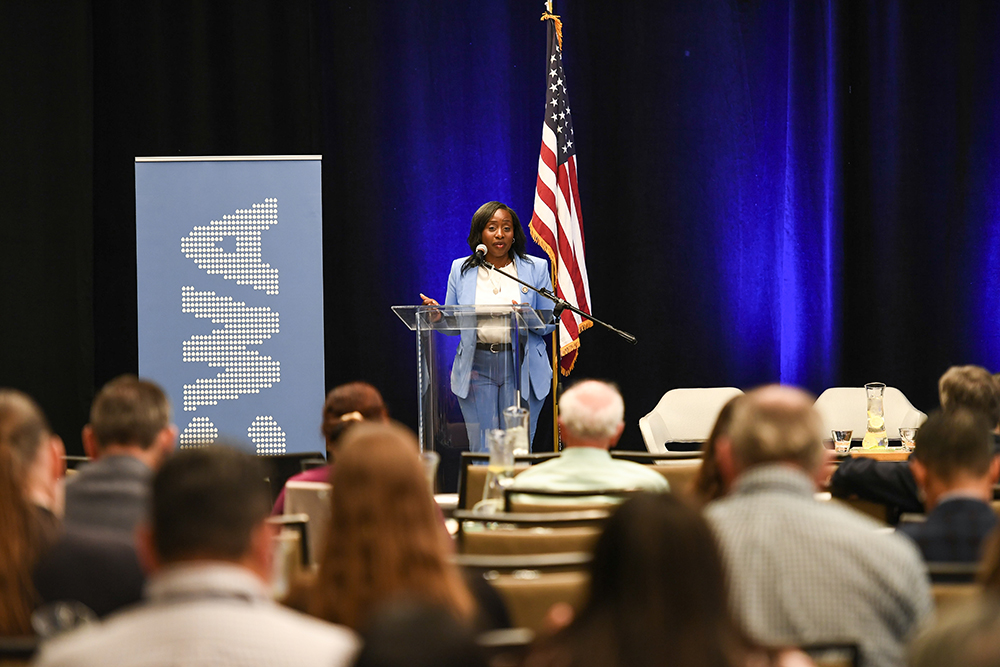
Photo/Krishnia Parker
Can you tell me about the kinds of agriculture you have in the 13th district? What challenges do farmers in your district face?
We have about 3,500 farms doing everything from milk to almonds to grapes, cherries, walnuts, tomatoes and rice. It’s a huge part of the economy. I have been engaged with everyone from winegrape growers to dairy farmers and nut growers. Some industries are really hurting. Cherries had a bad year. Folks aren’t purchasing winegrapes as much as they were. Farmers and the agricultural industry are facing very real challenges.
What opportunities do you see to implement policies that help farmers?
Some of the discussions we’ve been having with winegrape growers, for example, have to do with the importing of bulk wine that gets labeled as American. We’re looking at that, and we’re also doing everything we can to help farmers find some relief.
Are you able to use your position on the Assembly Agriculture Committee to advocate for farmers?
Serving on the ag committee has been very helpful in getting to see agricultural issues across the state firsthand. We were able to see the equipment from the Alternative Manure Management Program and the impacts of the Healthy Soils Program and the State Water Efficiency and Enhancement Program. We’re advocating that these programs continue to be funded at the same level in the state budget.
How do you hope to work with farmers going forward? How can they work with you?
My door is always open. I have a person in both my district office and my capitol office assigned to lead in the ag space. The California Farm Bureau and the San Joaquin County Farm Bureau have both been very proactive. The best thing that the ag community can do is partner with us. We work directly with growers and producers across the state to learn about what’s happening on the ground. Then I go to my colleagues and say, “I need your help because this also impacts your districts or the state in general.” That’s how we’re able to create opportunities and support policies that empower the ag community. We are here to represent your interests, and I’m going to find other friends to make sure we get things done.





.svg.png)
