


News Briefs: Dairy, water and board vacancies
Photo/Licensed image


Dairy
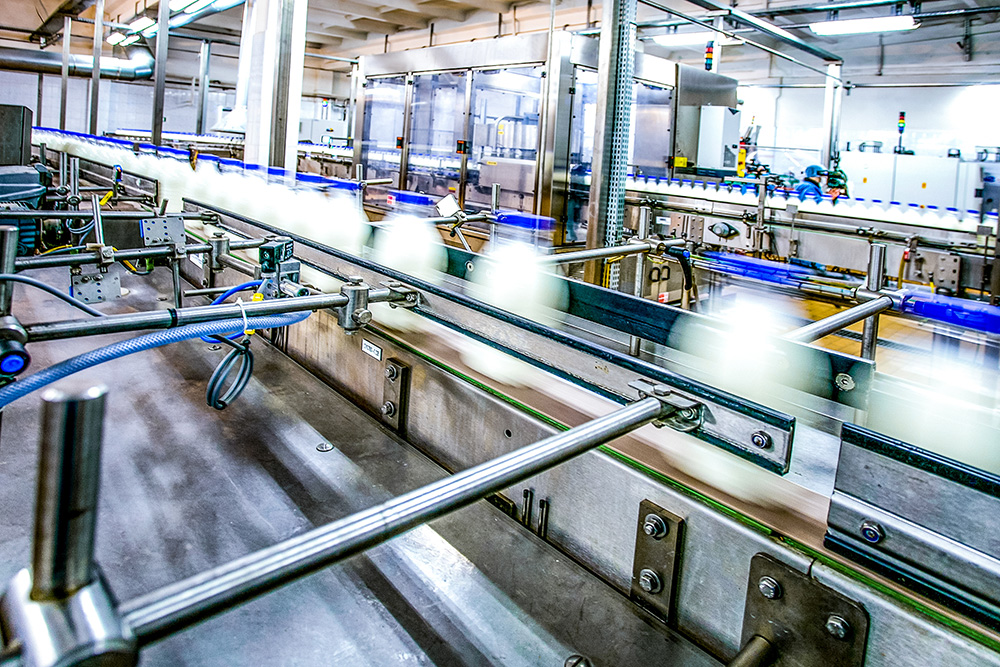
The California dairy industry contributed $23.2 billion in value to the state’s gross domestic product in 2024, up from $22.6 billion in 2023, according to a new study from the University of California, Davis, Department of Agricultural and Resource Economics.
The study was funded by the California Milk Advisory Board and reveals the ripple effect of dairy farming and processing across the state’s economy, with direct, indirect and induced economic output of around $87.5 billion in sales in 2024.
California’s dairy sector supported 151,859 total jobs statewide through dairy farming and processing, the UC reported. It produced $9 billion in farm milk value and $29.1 billion in processed dairy products in 2024, the study found.
California has led the nation in milk production since 1993, accounting for about 18% of all U.S. milk.
Water
Drought in California pushes the price of water from rivers, lakes and reservoirs up by $487 per acre-foot, more than triple the cost during an average wet year, according to a new economic study by UC Davis.
California groundwater basins can store eight to 12 times more water than all the state’s reservoirs combined yet are not widely used to store surplus surface water. The study suggests that managing groundwater and surface water together could keep water prices steady and support the state’s economy.
Researchers looked at water transaction data from 2010 to 2022, which spanned both drought and deluge in California. During that time, surface water prices varied with precipitation, while groundwater prices remained stable.
The study also found that more water storage could help protect California from climate-driven price swings. But researchers said building new reservoirs, raising dams and removing sediment from existing reservoirs come with high fiscal, environmental and social costs and may bring only marginal or temporary increases in storage capacity.
Researchers noted that California’s system of water rights makes joint management challenging. Surface water is allocated based on seniority of water rights. Except for adjudicated groundwater basins, where courts assign rights in response to legal disputes, there are no formal rights to groundwater.
That could change as groundwater agencies comply with California’s Sustainable Groundwater Management Act, which requires that groundwater basins reach sustainability targets by 2040. Courts could play a major role in many of those plans, researchers said.
Board vacancies
The California Department of Food and Agriculture is trying to fill three vacancies on the Egg Safety and Quality Management Program’s Shell Egg Advisory Board.
The board and the program work together to monitor egg quality at the production, wholesale and retail levels.
The vacancies include two industry members and one alternate member. The terms are three years.
Applicants for industry member positions must be registered California egg handlers or representatives of registered egg handlers.
Those interested should submit resumes by Jan. 1 to: Penny Arana, Meat, Poultry and Egg Safety Branch, 1220 N St., Sacramento, CA 95814 or penny.arana@cdfa.ca.gov.






.svg.png)
