


From the Fields - Henry Giacomini


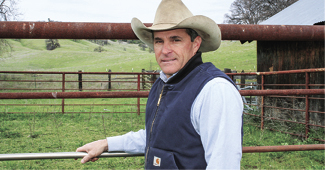
Shasta County cattle rancher
Overall, the year was better than we expected it to be as far as feed and water because of some spring rains and timing. It wasn’t great, but it wasn’t the potential disaster that it could have been.
Obviously, we want to break this drought. Pasture conditions are pretty normal, specifically some of the winter pastures where we put our mother cows. They’re coming on slow because it’s been colder than normal. We haven’t had the ability to move the cows out of the mountains as quick as we normally would, so we fed a little more hay this fall as we used up the residual pasture that we had stockpiled.
Even though it’s been cold, because of the recent storms, we will finish shipping the cows that we have winter pasture for next week. We had a very cold November, and now we’ve got some pretty early snow that’s persistently sticking around.
We’ve evolved over the last few years where our businesses are pretty resilient. We’ve cut costs, we’ve cut the need for inputs because of many of the management decisions we’ve made over time. The cost of hay probably was our biggest increase. But we were able to manage the pastures so that we bought considerably less. The short-term wild card is what the winter does. We need the moisture, but it will increase our cost in the short run. But we’ll more than make up for it in the long run.
The cattle markets are exciting when you really think about the potential in terms of total cattle inventory. The way it looks, supply and demand is working. We’re crossing our fingers that cattle markets will continue to go up and be pretty reasonable for us all next year. That remains to be seen, but it’s optimistic.





.svg.png)
