


From the Fields - Gino Pedretti III


Photo/Christine Souza
By Gino Pedretti III, Merced County farmer
Bird flu hit my area in early October. Our dairy got it the last week of October and early November. It caused lost production, sick cows and higher abortion rates. Heavier animals and older animals seem to get hit worse, but every animal is a little different.
With bird flu, collar technology for the cows has become a huge selling point. A lot of dairies are looking into getting the collars because you can treat cows before they visually show they are sick. You can treat cows sooner, and they don’t get as sick or dehydrated, and recovery rates are better.
We added collars that monitor the cows’ health. They measure rumination, or how much the stomach is working, and tell the activity of the cow, such as if she is in heat and decreased activity. A sort-gate in the barn reads the cow collars. This is tied to a computer program. As cows come out of the barn, they are automatically sorted based on if they are sick, if they are to be bred, or if we need them for any other management decisions. Before this, milkers would have to check cows and manually hold them out of the barn, so this has improved cow comfort and the health of our herd.
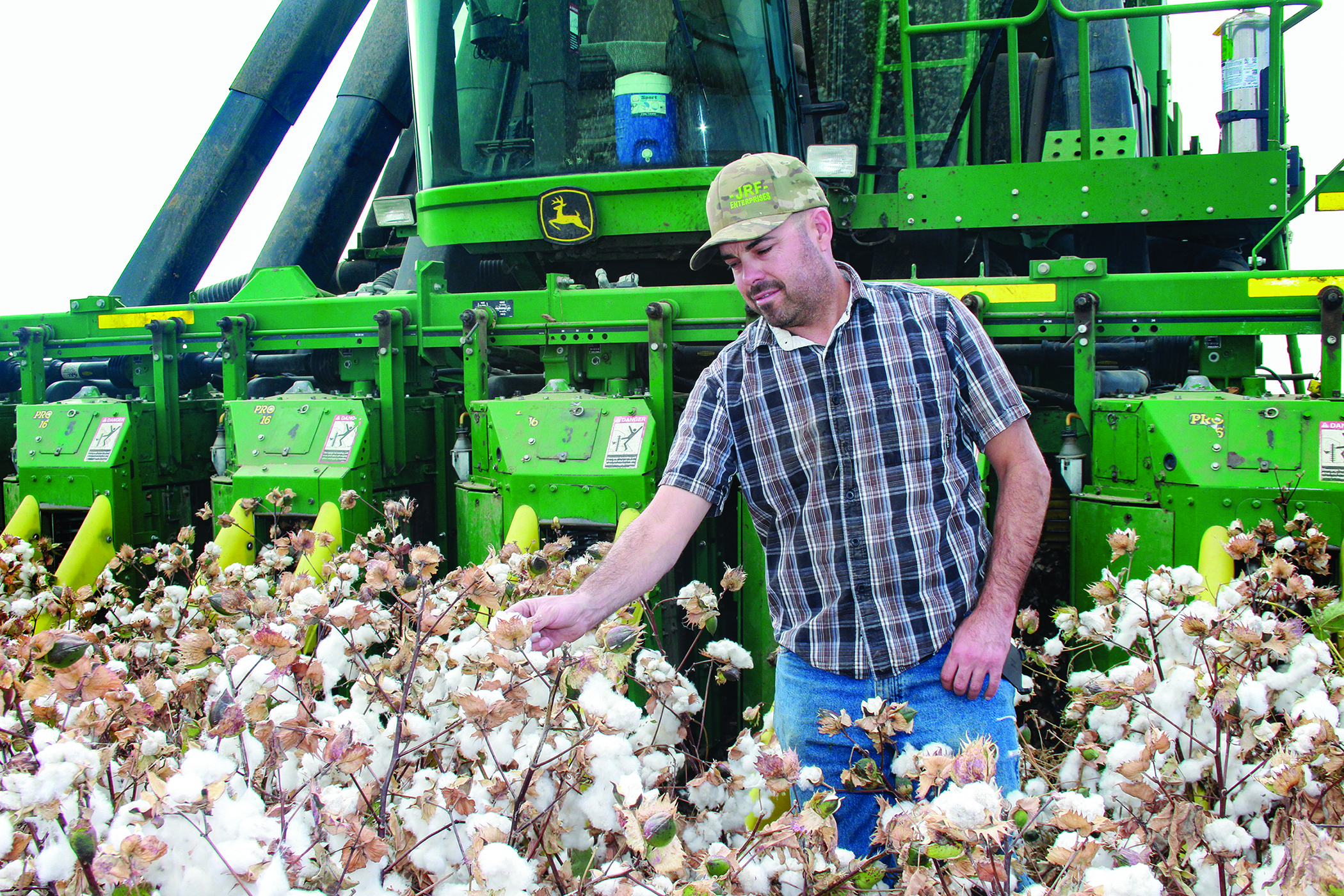
On the farming side, we finished harvesting cotton in mid-November. The summertime heat affected crops more than we realized since yields were down in cotton, corn and hay. We strip-till a bit of cotton as a trial, and we strip-till corn, so we’re looking into new attachments for our planter. There’s new technology with airbags and hydraulic force to help make a better seed bed, help with side-wall compaction and firm everything up better.
We are trying to improve our environmental footprint by using the airplane less, so we are thinking of getting a drone for spraying applications. Using the drone more, we can spray while the ground is still wet, which will greatly help our coverage.





.svg.png)
