


Commentary: Here's what farmers stand to lose without a farm bill
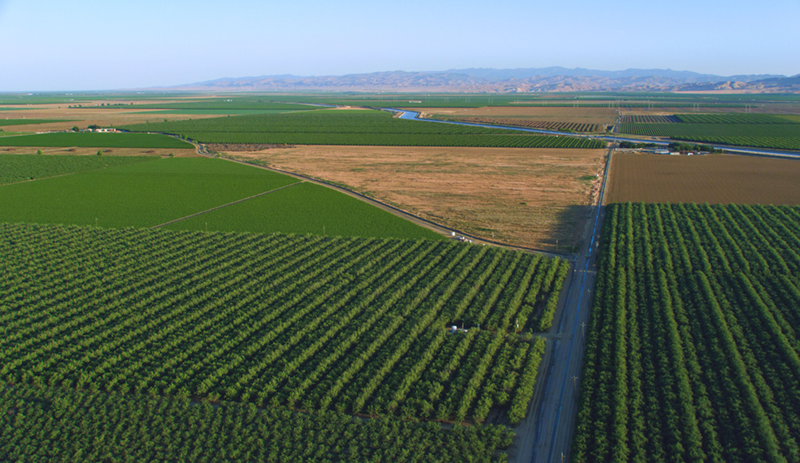
U.S. agriculture, including California farms, is operating under a one-year extension of the 2018 Farm Bill. A new farm bill in needed because challenges facing farmers have evolved since 2018.




By Roger Cryan and Betty Resnick
The farm bill is already a year late. The stakes are high and time is running out.
The last five-year farm bill expired Sept. 30, 2023, so American agriculture has been working under a one-year extension. Six years of tumult—including the highest inflation in 40 years, geopolitical disruptions to markets and rising expectations for what farmers can and should do for the planet—have left key parts of the 2018 Farm Bill outdated.
The world is undeniably different from when the last farm bill was written. Here are five things that farmers will miss out on if an update doesn’t happen this year:
1. Farmer safety net: The safety net for farmers includes support when prices fall to unsustainable levels. This helps farmers get through the bad years so they can continue producing the food, fuel and fiber that the nation—and the world—relies on.
Part of this safety net is the crop insurance program, which is permanent and wouldn’t go away without a new farm bill. But it needs some improvements to make it more affordable to all farmers. Unfortunately, a big part of the farmer safety net is tied to the renewal of the farm bill and depends on reference prices for key crops, which were set in 2014.
A price escalator was added in the 2018 Farm Bill based on recent years’ market prices. But the resulting effective reference prices have not kept up with inflation, leaving the safety net so close to the ground that it provides little or no protection. Farmers are taking a hit while waiting for Congress to act.
2. Help for dairy farmers: Dairy farmers rely on occasional help through the Dairy Margin Coverage program, which they help pay for. Anticipated improvements in this program include opportunities to buy coverage for a higher nominal milk-over-feed-cost margin to cover some—but not all—of the inflation of the past six years.
In 2018, the average farm produced about 5 million pounds of milk. Today, the average farm produces more than 8 million, so dairy farmers are hoping to increase the amount of a farm’s annual production that gets extra risk coverage. They are also counting on the farm bill to ensure the fairness of milk price formulas. By delaying the farm bill another year, Congress would be delaying help that could slow the rate of dairy farm consolidation.
3. Agricultural sustainability: Most farmers and ranchers live and raise their families on the land they work, often for many generations, so they naturally care for the land. But farmers are increasingly being asked to make up for the environmental impacts of the rest of us. The Inflation Reduction Act dedicated new federal budget dollars to conservation programs aimed at helping farmers support their own land’s sustainability but over a limited time period. There is an opportunity to incorporate those IRA conservation and climate dollars into a new farm bill as part of Congress’ permanent baseline for future farm bills.
4. Research: Even more critical to the sustainability of agriculture—and to its capacity to clean up the planet—is growing agricultural productivity as farmers are being asked to do more with less. But the U.S. has been falling behind the rest of the world’s major agricultural producers in public investment in agricultural research. In real terms, our investment has fallen by more than a third since 2002.
Commitment to agricultural research in a new farm bill could provide investment in research facilities, a boost in the search for a solution to citrus greening—which has devastated Florida’s citrus industry and remains a concern in California—and new funding for specialty crops research.
5. Food security is economic and national security: Let us count the ways that the farm bill contributes to our security, at home and around the world. The farm bill ensures American production is available to provide families in America—and beyond—access to safe, affordable and nutritious food.
The farm bill is overdue. A second one-year extension of the 2018 farm bill would leave us working under a 7-year-old plan in the much-changed world of 2025.
Reference prices for crop farmers and margin support for dairy farmers would be another year out of date and less effective after years of inflation. Research funding would be stagnant in amount and direction. Billions of dollars of conservation funding would be lost for farmers and the rest of us. And our security would be weakened by all of the above.
These are the stakes.
(Roger Cryan is chief economist and Betty Resnick a staff economist for the American Farm Bureau Federation. This article is condensed from their Market Intel report, “Five Things We’ll Miss Without a New Farm Bill,” which can be found at fb.org/market-intel.)





.svg.png)
