


California Farm Bureau: Advocacy in Action
Photo/Licensed image



Transmission lines
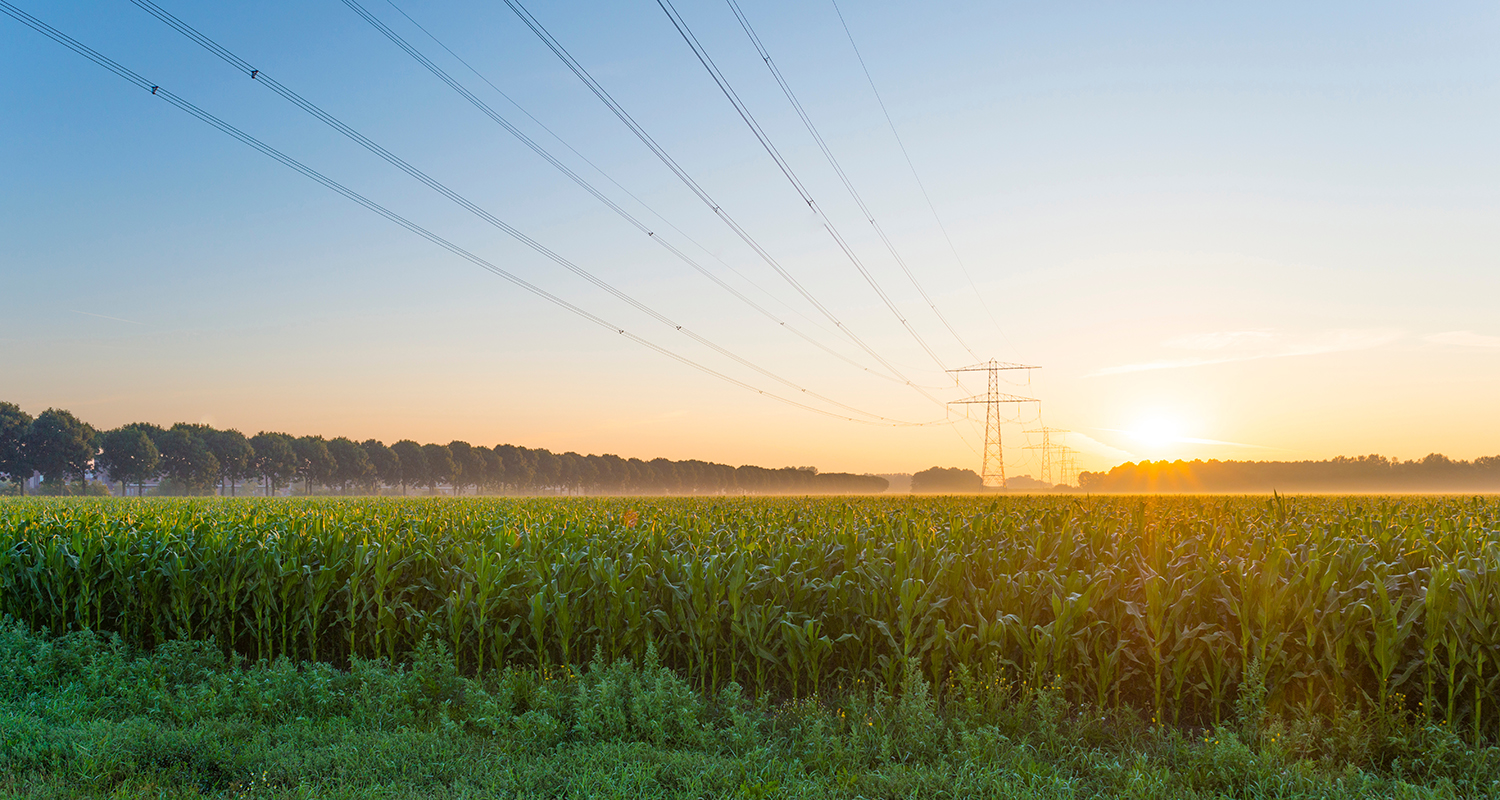
California Farm Bureau is reviewing the final environmental impact report for the Northern San Joaquin 230 kV Transmission Line Project to assess whether comments from the organization and the agriculture community were taken into account and to determine next steps.
The project involves upgrades to Pacific Gas & Electric Co.’s transmission system in the Lodi area, including a new transmission line and substation to improve reliability and capacity for expanding load in Lodi.
Farm Bureau tracks transmission projects, such as this one, that significantly impact agricultural property.
To view the EIR, go to https://ia.cpuc.ca.gov/environment/info/ascent/NSJTP/index.html.
In addition to the EIR, the California Public Utilities Commission also released a revised scoping ruling that has set Nov. 10 as the deadline to submit testimony in the proceeding.
Telecommunications access
California Farm Bureau continues to work on ways for customers who require landlines to transition to other technologies. There are two forums where the matter is being debated: Assembly Bill 470, Tina McKinnor, D-Inglewood, and via rulemaking at the California Public Utilities Commission.
Farm Bureau is working with other parties to oppose AB 470, which would allow telephone companies to shed their “carriers of last resort” obligations, and have it stopped in the Senate Appropriations Committee on Aug. 29, allowing the CPUC proceeding to play out.
The importance of allowing the CPUC process play out was highlighted by the state Department of Finance, which opposes the bill and its fiscal impacts.
This is not the first time a CPUC proceeding tries to resolve the matter among parties in a collaborative way while one of the parties tries to usurp that process.
Farm Bureau opposes AB 470 fundamentally because the complex rules around transition can be better addressed through a regulatory process that allows give and take rather than through legislation.
Farm Bureau is working with a broad coalition concerned about impacts to those who rely on landlines because other technologies are not reliable in the areas they live. During CPUC public hearings, many commenters noted they had to leave their homes to find spots to make cellphone calls. Such concerns are particularly prevalent in rural areas, with impacts to many Farm Bureau members.
Carriers of last resort, most predominantly AT&T, are obligated to offer basic service to all residential customers within their designated service territory, including areas that are more costly or difficult to serve. It is not true that only copper technology is required to meet basic service obligation, according to the CPUC. Basic service is designed to be neutral to all forms of communications technology, including wireline, wireless, Voice over Internet Protocol and any other future technology that may be used in telephone service.
USDA reorganization
California Farm Bureau submitted comments on a reorganization plan by the U.S. Department of Agriculture that would restructure several agencies and offices.
The plan, announced in July, is aimed at improving efficiency, coordination and service delivery, U.S. Agriculture Secretary Brooke Rollins said.
Public comments were set to close this week. Farm Bureau reviewed the proposal to assess potential impacts on farmers, ranchers and rural communities and made comments to ensure that California agriculture’s needs and priorities are reflected in the final plan.
Water rights
California Farm Bureau signed on to a “friend of the court” brief led by Western Growers urging the U.S. Court of Appeals for the Federal Circuit to reconsider its decision in United Water Conservation District v. United States.
The court ruled that appropriative water rights under California law are not vested property interests until water is physically diverted, undermining the ability of water users to seek compensation when regulatory restrictions prevent diversion.
The decision threatens the constitutional security of agricultural water rights by shielding regulatory agencies from takings liability when requiring bypass flows for endangered species protection.
The brief urges the court to recognize appropriative rights as protectable property interests upon permit issuance to preserve the reliability and value of agricultural water supplies.
Pesticide regulation
California Farm Bureau joined a coalition to comment on the California Department of Pesticide Regulation’s proposed regulations to update the state’s groundwater protection list.
The updates in the proposed regulation include a new method for determining which pesticides have the potential to leach to groundwater. DPR is also proposing to include 51 new pesticides on the groundwater protection list.
See related news stories...
• Agriculture is at a critical juncture, farm leaders warn
• EPA announces it will revise 'waters of the U.S.' definition
• Fumigant study shows difficulty finding alternatives





.svg.png)
