


Caterpillar pests pose threats to rice fields, yields
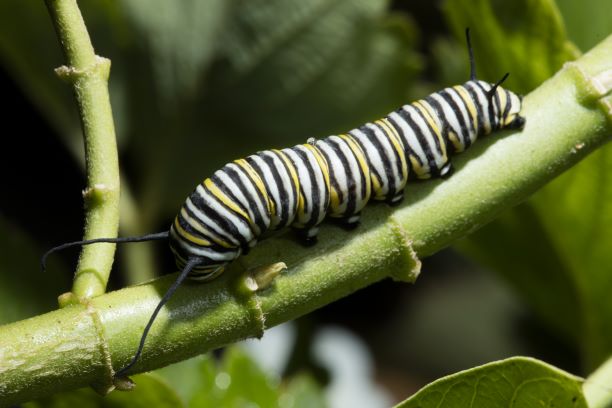


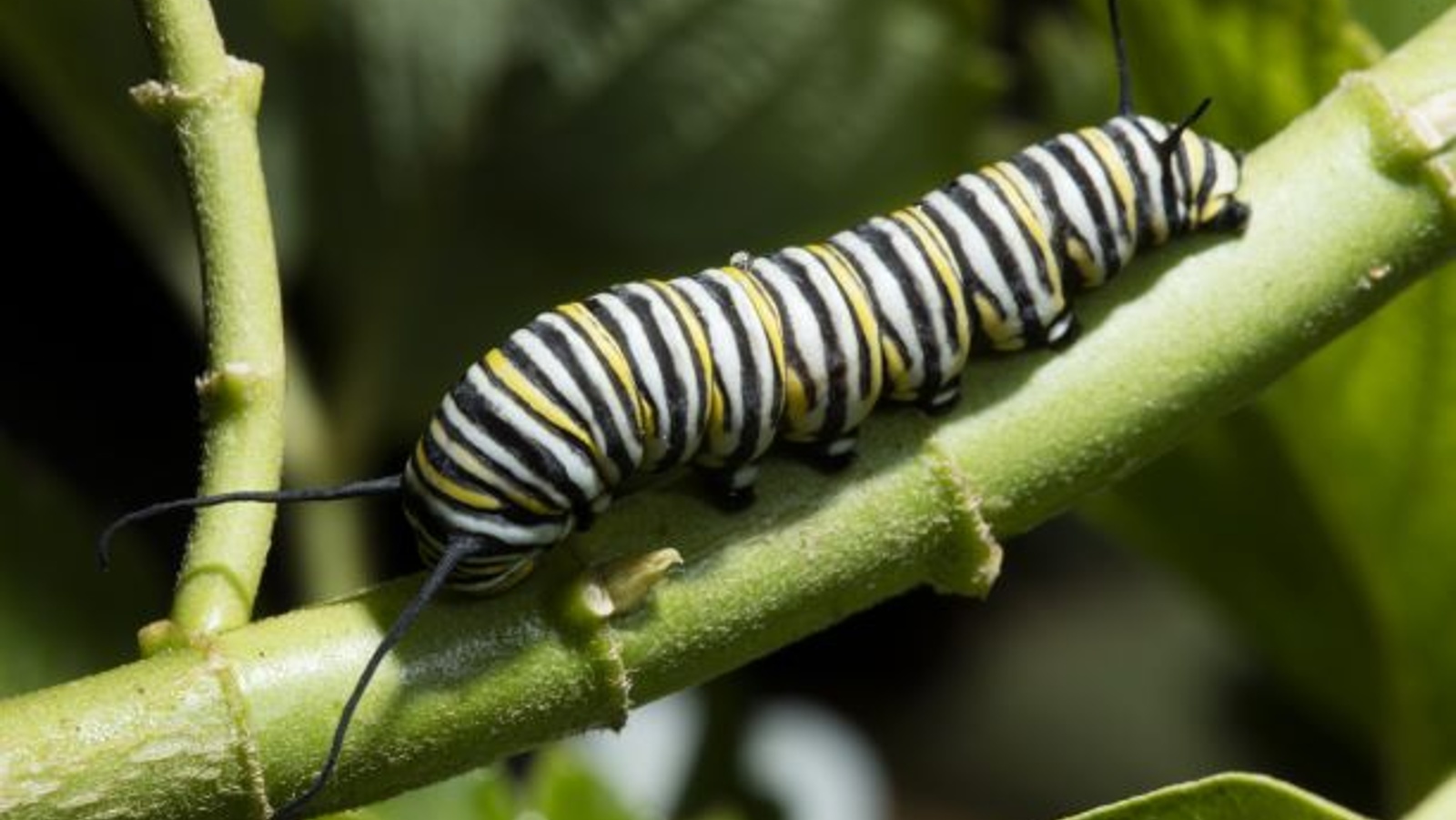
Researchers from the University of California Cooperative Extension are reaching out to California farmers in hopes of combating two caterpillar species that lay eggs in rice fields and threaten crop yields.
The program is providing guidelines for monitoring and treatment of pests including armyworms and western yellowstriped armyworms.
Adult moths lay eggs in rice paddies or larvae migrates there. Ultimately, the larvae chew leaves and defoliate plants. Defoliation, particularly in early-growth plants, can cause significant yield reduction.
UCCE partnered with the California Rice Commission to obtain emergency approvals for the insectide methoxyfenozide for treating a wide range of caterpillar pests. Its use was authorized for the 2021 growing season.
UC researchers have been monitoring and trapping armyworm populations in Sacramento Valley rice fields since 2016. The effort accelerated after an armyworm outbreak in 2015.
The larvae mostly feed at night or during cloudy days. They reach full size in three to four weeks. The damage they cause to rice fields is most serious during times of stem elongation and grain formation.





.svg.png)
