


From the Fields: Katie Harris, Tehama County fish farmer
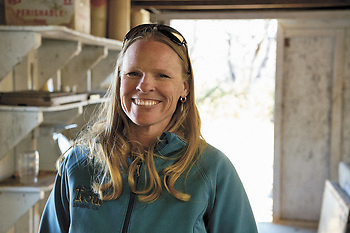
Katie Harris
Photo/Courtesy of Katie Harris



By Katie Harris
Tehama County fish farmer
We’re stocking a few mountain lakes, but most of the water we stock is too warm for trout this time of year, so we use this time to build back our inventory, work on our infrastructure and take care of the farm, our springs and all the deferred maintenance that happens all year while we’re busy. We are feeding every fish at max feed rates and trying to build our inventory to have all the fish necessary going into the stocking season, which is usually around the end of October, water temps pending.
The demand for recreational fishing has been huge. I anticipate that being the same going into this year based on the vendors I work with. I still have a hard time keeping up with demand. I would love to figure out a way to expand. But water and water rights are tricky and expensive. I don’t know that I could go out and just build another trout farm somewhere. It’s not like I can all of a sudden just decide to raise more fish. I’m limited on water and oxygen. We are doing everything we can to maximize our growth rates without compromising fish health and welfare.
The biggest thing this year is dealing with the invasive species of the golden mussel. It’s an invasive species that first appeared in the delta. A lot of recreational fishermen and some vendors have been impacted by the golden mussel. Anybody in the field of fishing, particularly around the delta, is acutely aware of it. Anywhere water moves, this invasive species can move with it. It can be devastating to infrastructures. Fortunately, we have a lot of biosecurity measures in place to ensure our farm stays safe and that we don’t potentially get it from any bodies of water that we may stock. We maintain a no-contact policy with any potential waters that may or may not be positive and make sure there’s no way we can bring it back to our farm.
See related news stories...
• Solar canal project provides low-cost energy, more water
• Tuolumne River salmon habitat enhanced
• Court green lights state's flows plan, rejects all claims





.svg.png)
