


From the Fields: David Richter, Sutter County farmer
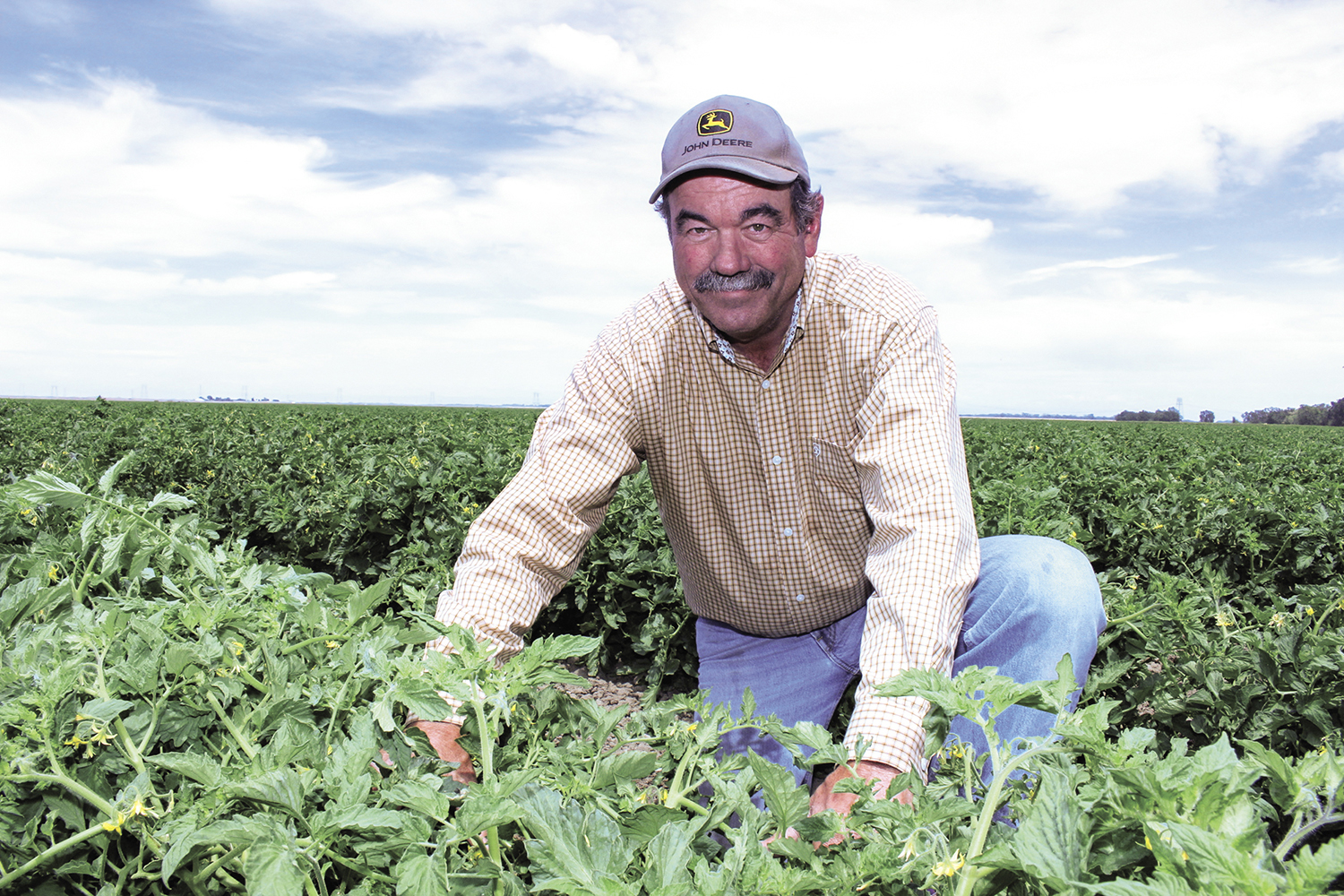
David Richter
Photo/Christine Souza


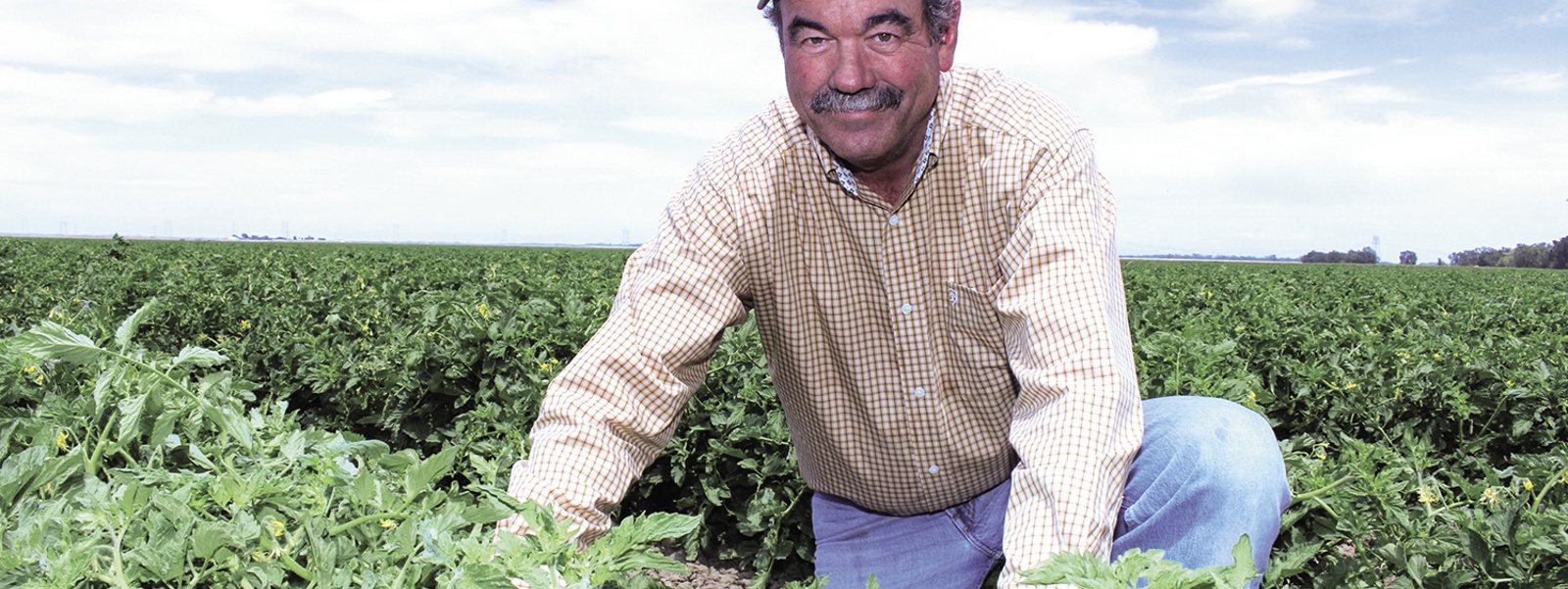
By David Richter
Sutter County farmer
Our processing tomato acreage has been reduced like everybody else’s. We’re getting ready for harvest. The early stuff looks good. The later stuff looks really good, but we’ve still got 50 to 55 days to go before we finish, and a lot of things can happen in 50 days. We have a seven-week harvest schedule this year.
I think we have potentially good crops. The price is set on tomatoes, and I’m not sure canneries are going to be taking any extras. I’m pretty sure they aren’t going to take any extras at full price. I’m not sure they’re going to take any extras at any price.
I’m also raising white corn for grain and human consumption, and it looks good. The little bit of sunflowers we have look good. We have some vine seed, lima beans, cranberry beans and yellow Canario beans, and they all look good. My beans are contracted. The price has come down, and there’s not as many acres needed this year. I’m about the only bean grower in the Sutter Basin.
I see a few more weeds than usual in the rice. We’ve had cool weather, and I don’t know how that’s going to affect yields. I don’t know if that will delay harvest. We planted the rice pretty early. We’ve still got all of August and part of September for heat. In this area, we only had one day over 100 degrees in July, so it’s ideal for growing corn, tomatoes, beans and sunflowers.
Pricewise, everything’s down. That’s the trend this year. Some prices are locked in, some aren’t. We don’t know what the price of rice will be.
As for technology, I’m known as a dinosaur. I’m still sprinkling tomatoes. I’m still furrow irrigating, but I also use drip irrigation. I was one of the last people to go to transplants; I direct seeded. We stay up with the times, but there’s some things that work for us, and we haven’t changed.
See related news stories...
• Farm makes heirloom, specialty vegetables its focus
• What could tariffs mean for California agriculture?
• Tomato planting starts as canneries reduce acreage





.svg.png)
